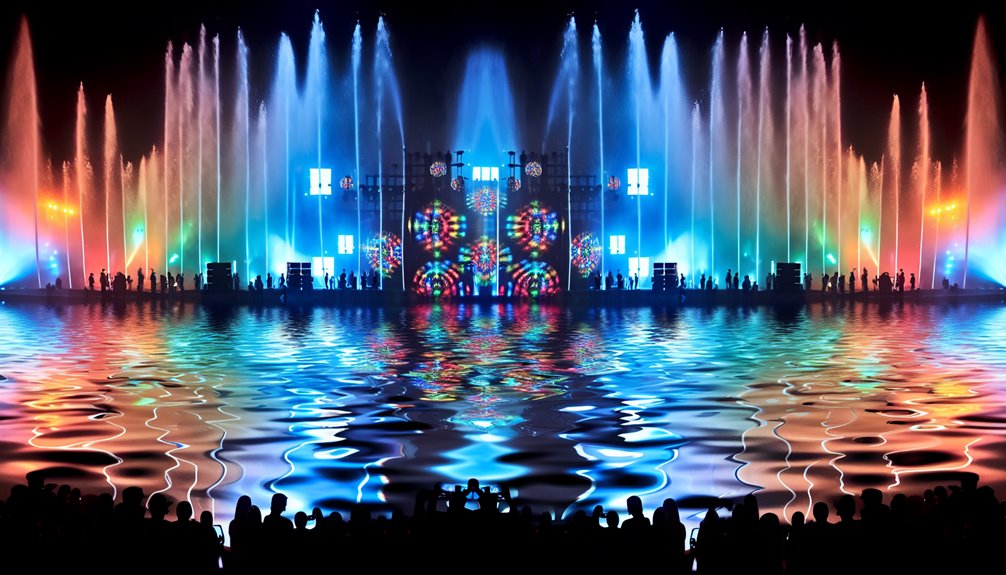
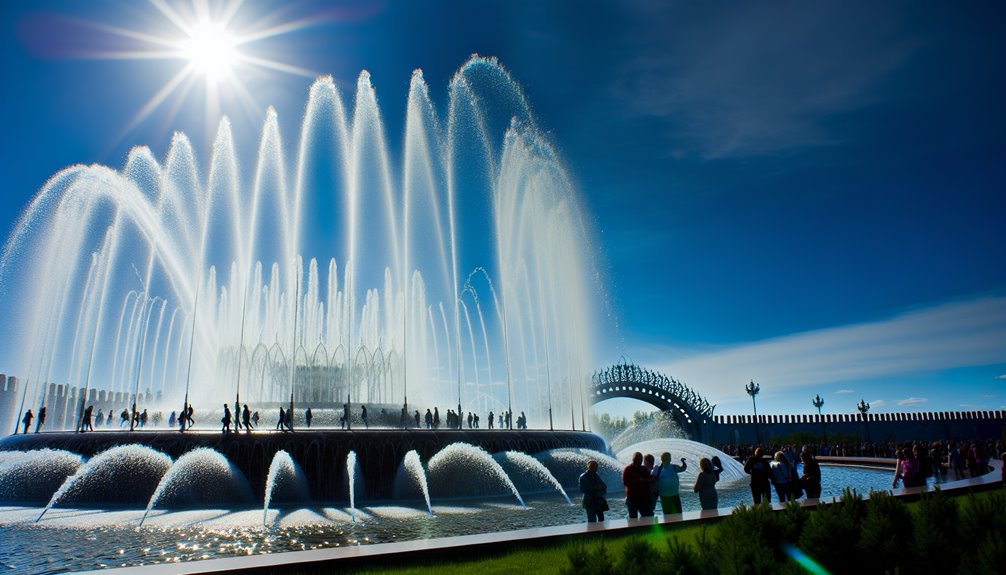
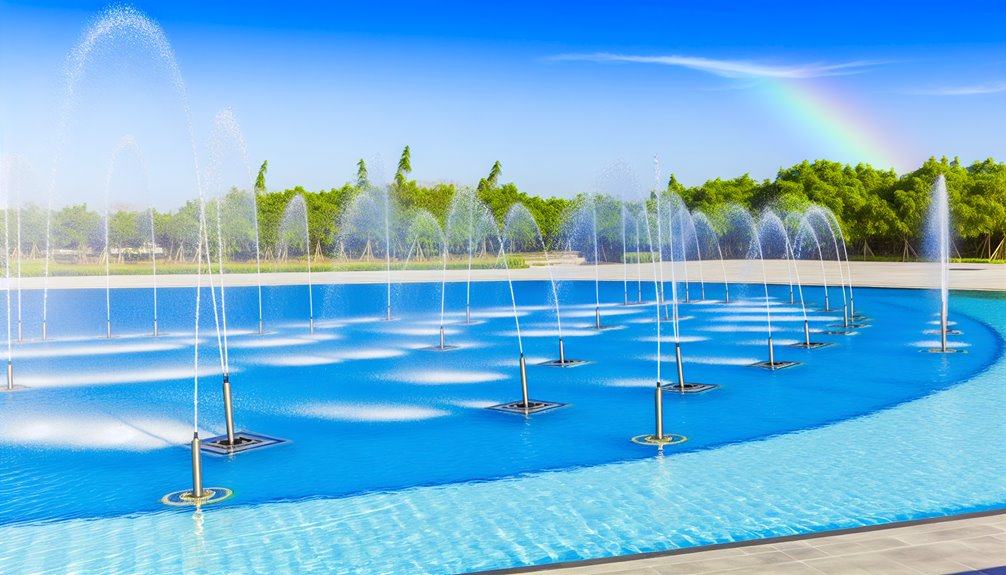
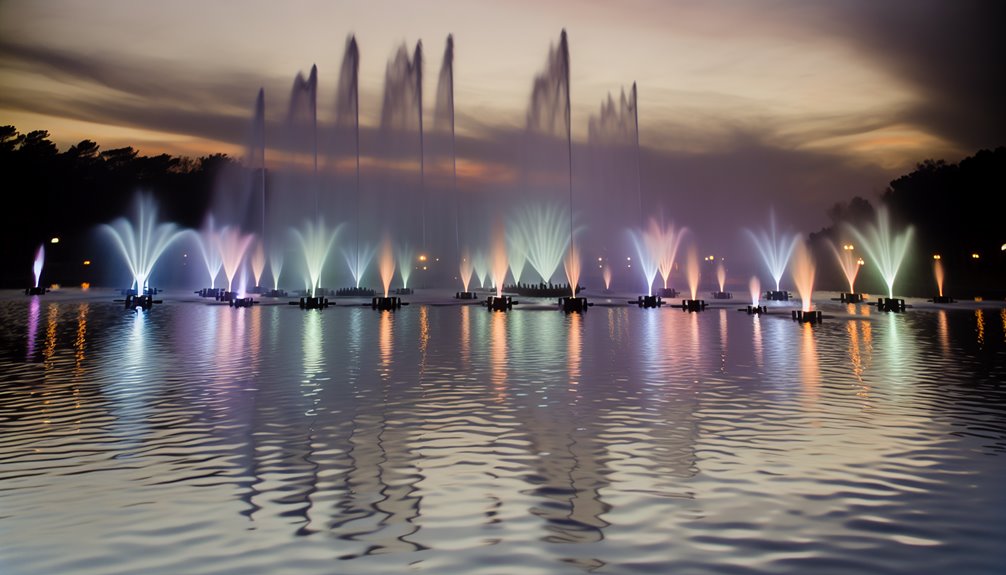
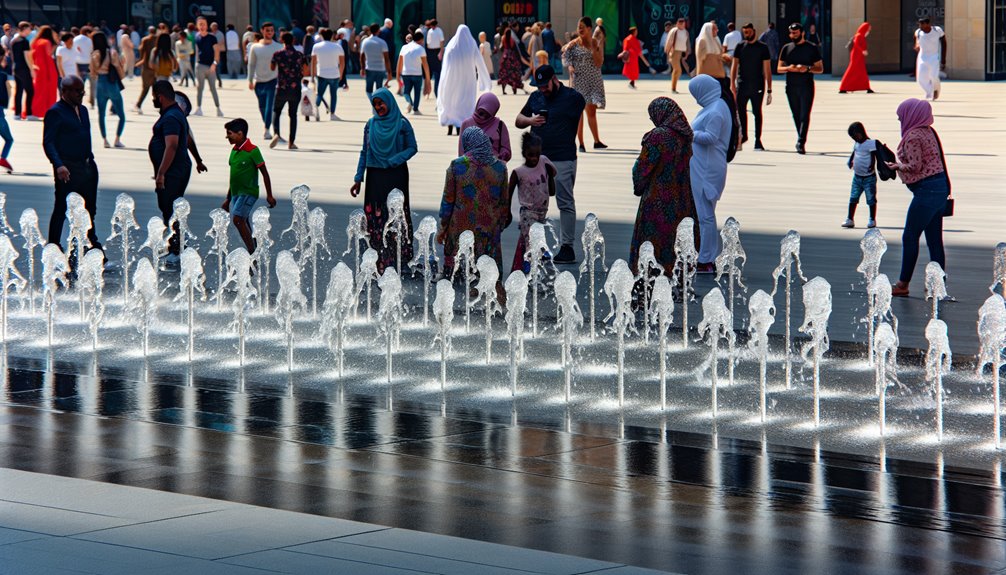
Floating fountain systems are a fascinating blend of engineering and artistry, designed for large outdoor water shows. These installations transform open waters into dynamic canvases, showcasing water jets that dance in harmony with choreographed precision. Their elegance lies in an ability to enhance natural surroundings while presenting minimal ecological impact. However, ensuring their successful implementation involves steering through unique challenges of water depth, surface stability, and wind exposure. What makes these mesmerizing displays truly unforgettable?
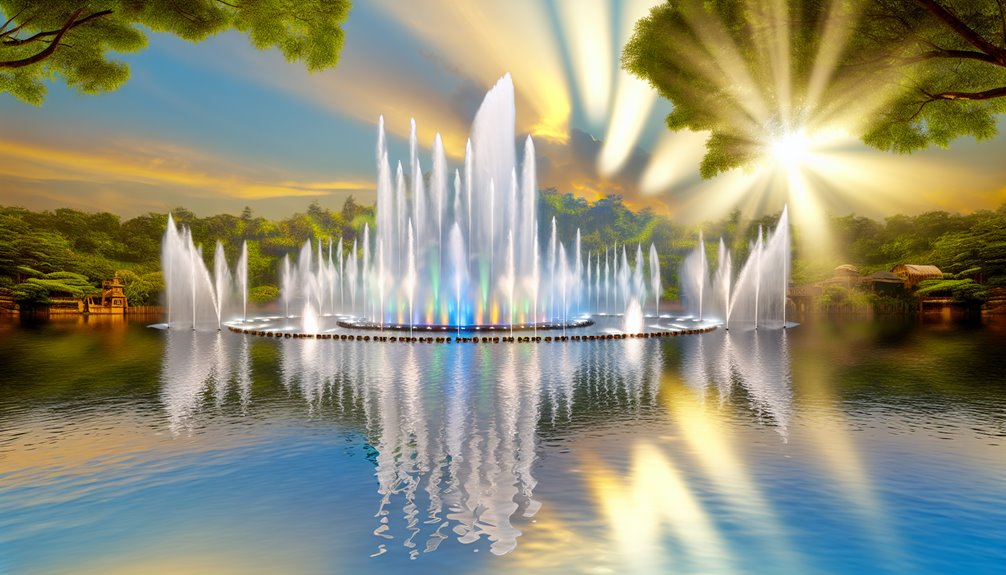
Floating fountain systems excel in specific scenarios where traditional fixed-basin installations face constraints:
Natural water bodies - Lakes, retention ponds, and reservoirs, where constructing fixed infrastructure would be prohibitively expensive or environmentally disruptive.
Variable water levels - Sites where seasonal fluctuations make fixed installations impractical, as floating platforms naturally adjust to changing conditions.
Large-scale displays - Projects requiring extensive coverage across open water, where multiple floating units can be positioned strategically without permanent structural work.
Flexible programming - Installations where the ability to reposition or reconfigure fountain elements provides operational advantages for different events or seasons.
The defining characteristic of effective floating fountain projects is that they address a genuine site constraint—not simply aesthetic preference. Where fixed systems can be installed without significant cost or complexity penalties, they often provide superior long-term stability and performance predictability.
Before specifying a floating fountain, site conditions must be rigorously evaluated. Four factors determine feasibility:
Floating fountains require sufficient depth to prevent intake blockage and allow proper anchoring. Minimum depths typically range from 1.5 to 3 meters, depending on system scale, with deeper water providing more anchoring stability. Bottom composition affects anchor type selection—soft mud requires different solutions than rock or clay substrates.
Open-water installations face direct wind exposure that affects both spray patterns and platform stability. Wind speeds above 25 km/h can disrupt choreographed displays and cause drift even with proper anchoring. Sites with consistent high winds may require wind sensors integrated into control systems to automatically adjust or shut down operations.
Electrical power must reach floating platforms reliably and safely. This typically requires underwater cables rated for submersion, proper conduit protection, and consideration of voltage drop over distance. Control signal reliability becomes critical for musical shows—wireless systems must account for interference and latency, while hardwired solutions need cable management that accommodates platform movement.
Year-round access for routine maintenance, winterization, and emergency repairs must be planned from the design phase. This includes safe docking points, equipment for moving personnel to floating platforms, and consideration of seasonal ice formation in cold climates.
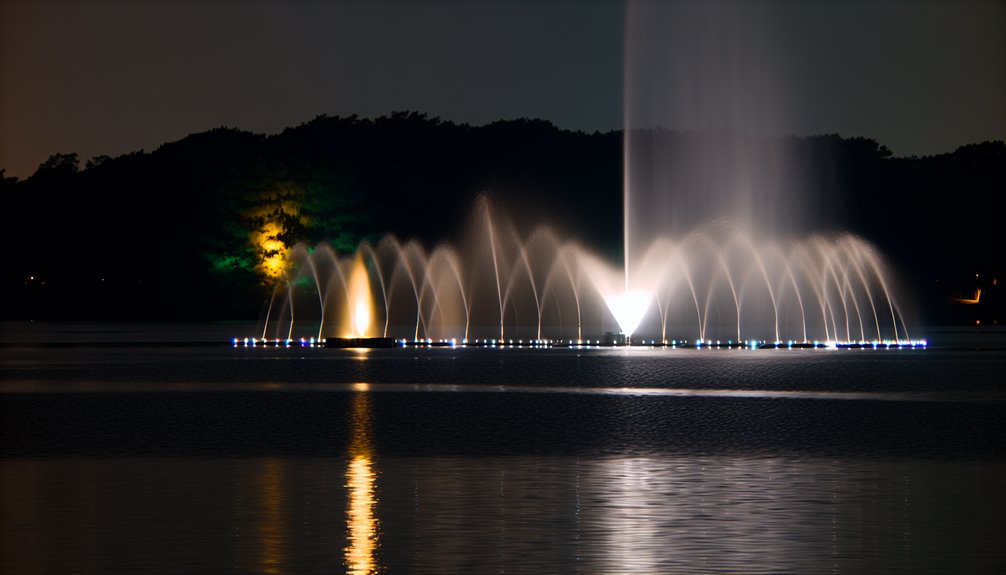
The choice between a floating fountain and a fixed-basin fountain depends less on appearance and more on site conditions and performance expectations.
Floating fountains are typically used where an existing lake or open water body makes basin construction impractical. They reduce civil works and allow large-scale visual effects, but performance is influenced by wind, water-level changes, anchoring stability, and access for maintenance. These variables must be accepted and managed at the design stage.
Fixed-basin fountains operate within a controlled structure. Water depth, spray containment, and equipment access can be precisely engineered, making them better suited to projects requiring consistent choreography, tight urban environments, or strict long-term performance control.
In simple terms, floating fountains prioritise flexibility and scale, while fixed-basin fountains prioritise precision and predictability. Selecting the wrong system often leads to operational compromises that could have been avoided with an early technical evaluation.
For experienced water show projects, the decision is rarely about cost alone — it is about choosing the system that best aligns with environmental conditions, visual goals, and long-term reliability.
Open-water fountain projects introduce variables that do not exist in basin-based systems and must be addressed early in design. The most common risk is anchoring instability, where wind, current, or wave action gradually shifts the floating structure, affecting jet alignment and showing accuracy. This is often underestimated at the concept stage.
Water-level variation is another critical factor. Seasonal changes can alter pump submergence, intake performance, and platform balance, leading to inconsistent water effects if not properly engineered. In parallel, wind exposure directly influences spray drift and effective jet height, limiting how aggressively a fountain can be choreographed.
Open water also increases the likelihood of debris, algae, and sediment intake, which can reduce pump efficiency and raise maintenance demands. Electrical and control reliability must be considered as well, as long cable runs over water are more exposed to signal loss and environmental wear.
These risks do not make floating fountains unsuitable — but they do mean that open-water systems require a different level of engineering discipline. Projects that perform well over time are those where environmental forces, access constraints, and operational realities are treated as core design inputs, not afterthoughts.
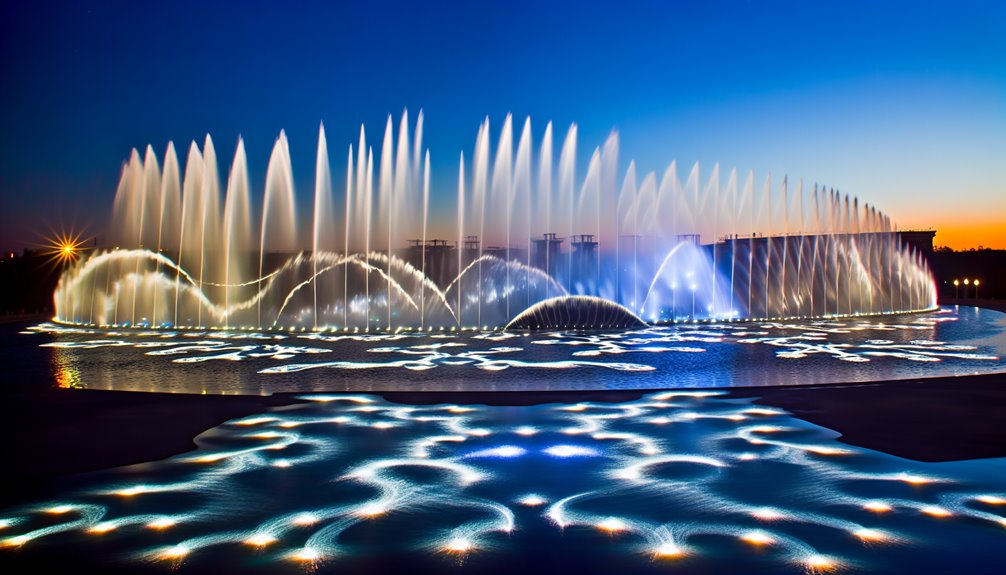
Fountain scale fundamentally changes engineering requirements in non-linear ways:
These scaling challenges mean that large outdoor floating fountains can't be designed by simply enlarging small-fountain solutions. They require purpose-built engineering that accounts for hydraulic, structural, and control complexity.
Musical water shows create additional engineering requirements beyond standalone fountain displays:
Musical synchronization demands precise timing between audio triggers and water movement. However, hydraulic systems have inherent response delays—valves take time to open, water takes time to accelerate, and platform movement introduces variables. Effective musical fountain programming accounts for these delays by triggering actions ahead of the musical cues they accompany.
Floating fountains in musical shows serve two distinct functions:
The balance between lead and supporting elements determines overall visual coherence. Too many lead elements competing for attention creates chaos; insufficient variety makes shows repetitive.
Fixed-basin fountains can achieve synchronization within 10-20 milliseconds. Floating platforms introduce movement that makes such precision difficult to maintain. The choreography must either accept this limitation by avoiding tight synchronization requirements, or the system must incorporate sensors that compensate for platform position in real-time.
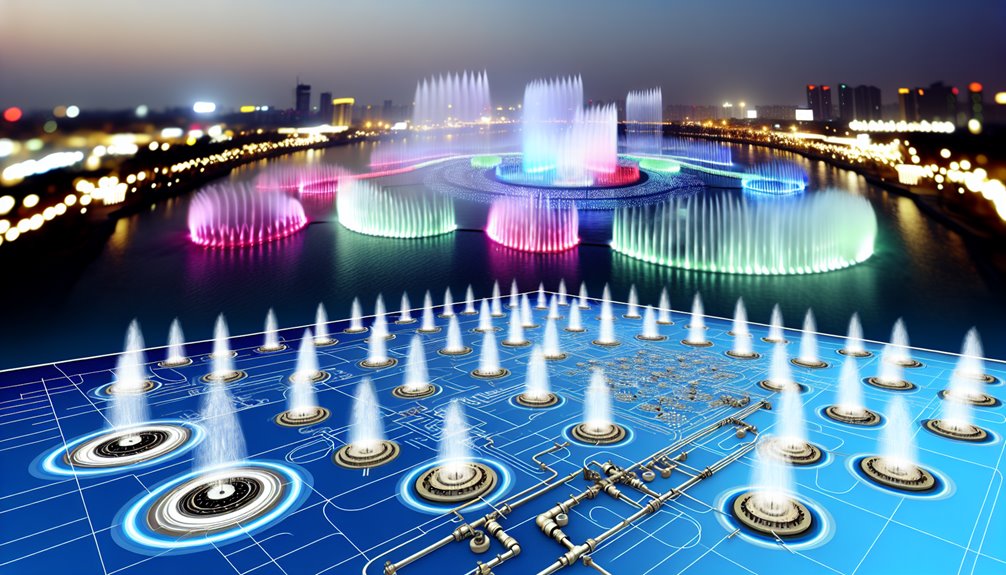
The cost of a floating fountain system is shaped far more by engineering choices than by visual size alone. One of the largest factors is platform complexity. Systems designed to remain stable under wind, waves, and changing water levels require more robust floating structures and anchoring solutions, which directly affects cost.
Control and programming depth is another major driver. Simple, repeating water effects require fewer control channels, while musical or choreographed shows demand more sophisticated control systems, additional sensors, and longer programming time. The visual impact may appear subtle, but the underlying system complexity increases significantly.
Installation conditions also play a critical role. Access over open water, transport of modular platforms, and commissioning in large lakes or reservoirs add logistical effort that is often underestimated at planning stage. In addition, long-term service access must be engineered into the system, as maintenance over water is inherently more demanding than in basin-based installations.
In practice, the most reliable cost estimates come from aligning system design with site realities early on. Projects that treat floating fountains as engineered infrastructure, rather than decorative features, are far more likely to stay within budget over their full operating life.
In the domain of floating fountain projects, common specification mistakes often stem from a misalignment between ambition and practicality. Enthusiasm can lead designers to overestimate jet heights, envisioning spectacular displays that challenge the laws of physics and water pressure limitations.
Furthermore, the unpredictable nature of wind is often ignored, which can transform elegant arcs of water into chaotic sprays, drenching unsuspecting spectators. Maintenance access is another frequently overlooked aspect; without proper planning, routine upkeep becomes a logistical nightmare.
Additionally, treating floating fountains solely as decorative features undermines their potential for interactive and dynamic experiences. These errors not only affect aesthetic outcomes but also impact the longevity and functionality of the installations, underscoring the necessity for a meticulous and informed approach.
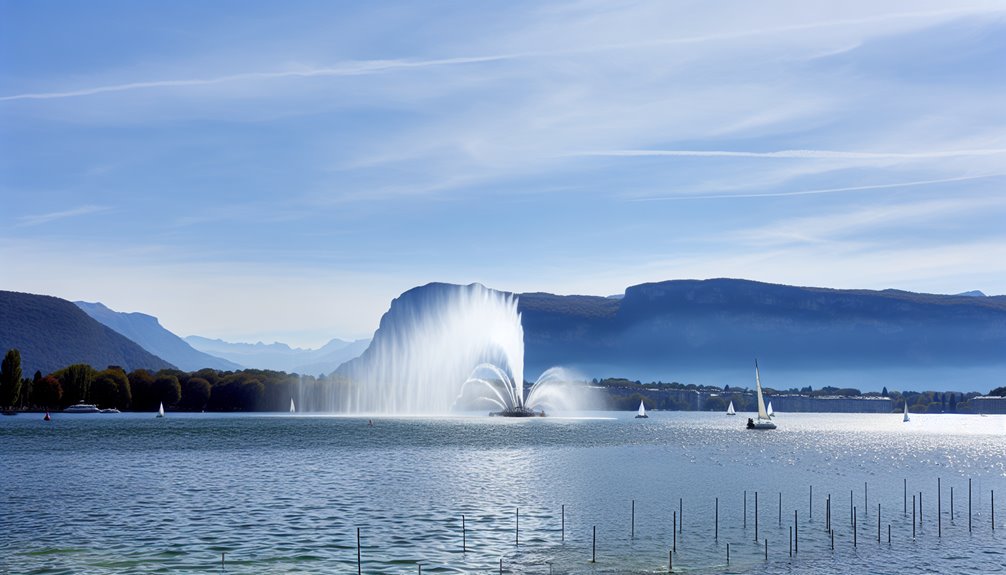
Despite their flexibility, floating fountains are not always the optimal solution. Fixed-basin systems provide superior performance in several scenarios:
The key is matching system type to actual project requirements rather than defaulting to one approach based on initial impressions or limited experience.
Floating fountains deliver compelling results when properly matched to site conditions and performance requirements. However, their success depends on the engineering discipline applied from initial feasibility assessment through long-term operation. The most effective projects share common characteristics:
When these principles guide specification decisions, floating fountains transition from visually impressive installations to reliable infrastructure capable of supporting complex water shows over multi-year lifecycles.
Optimum Show specializes in engineering and delivering large-scale floating fountain and musical water show systems for public and commercial projects worldwide. Our team provides support from early feasibility assessment through system design, installation, programming, and long-term technical support.
If you're evaluating a floating fountain for your project and need to confirm feasibility, assess system suitability, or establish realistic performance expectations, contact our engineering team to discuss your specific requirements.
They employ adaptive buoyancy mechanisms, adjusting seamlessly to fluctuating water levels. Precision engineering allows these systems to recalibrate, maintaining equilibrium and aesthetic harmony, ensuring a mesmerizing visual display regardless of the aquatic environment's unpredictable changes.
Keeping floating fountain systems in tip-top shape involves regular inspections, cleaning nozzles, ensuring pumps function smoothly, and monitoring electrical components. As they say, "an ounce of prevention is worth a pound of cure," especially in water artistry.
Yes, floating fountains can operate in saltwater environments, but they require corrosion-resistant materials and specialized components. Routine maintenance, including regular cleaning and inspections, guarantees longevity and peak performance amidst the corrosive nature of saltwater.
Floating fountains disturb local wildlife, disrupt ecosystems, and displace habitats. Birds lose nesting sites, fish face altered water patterns, and aquatic plants endure water turbulence. Yet, design adaptations can mitigate impacts, harmonizing human artistry with natural balance.
Floating fountains can indeed be customized for various themes or events, utilizing programmable water patterns, colored lighting, and synchronized music. This adaptability allows them to transform spaces into dynamic environments, enhancing the ambiance and audience experience.