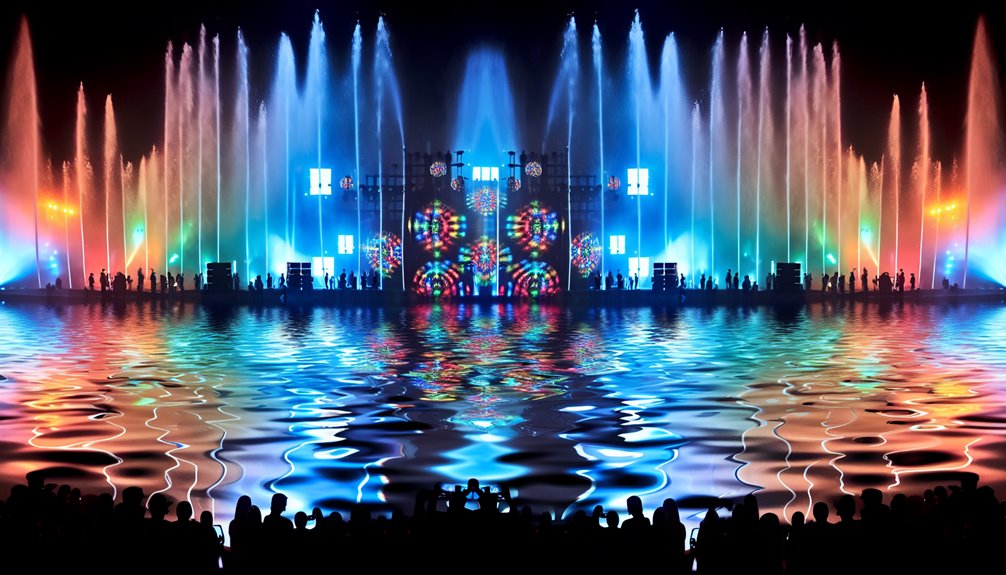
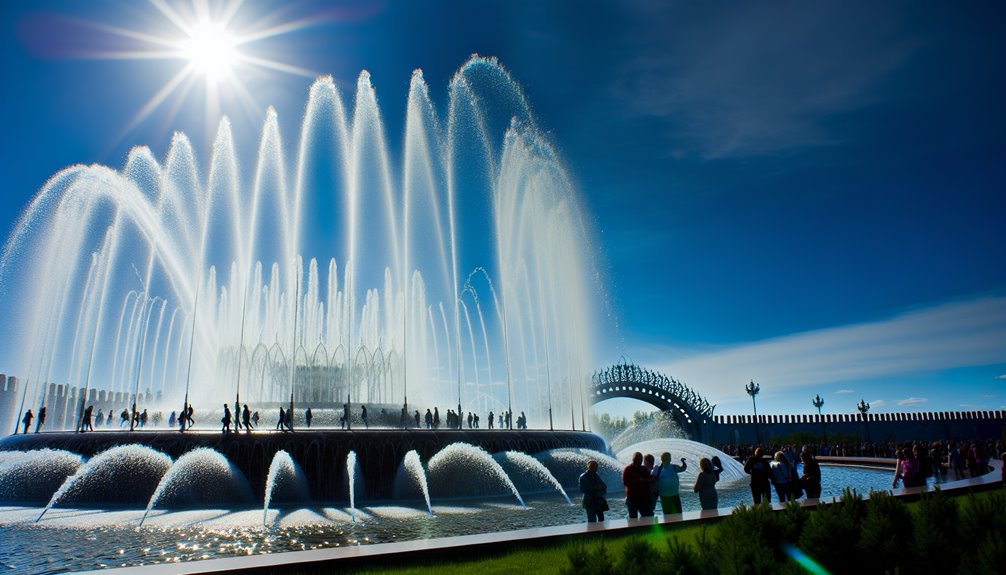
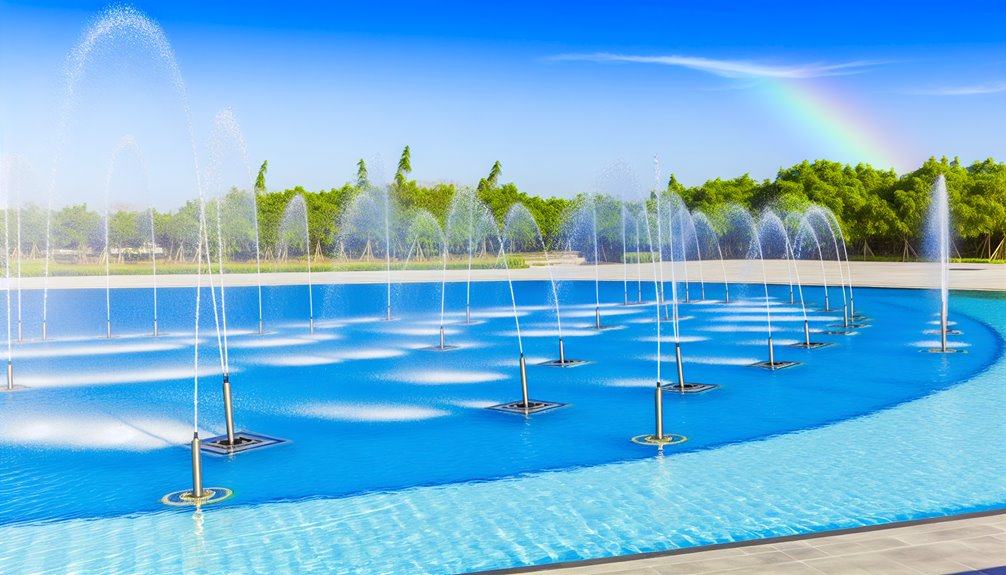
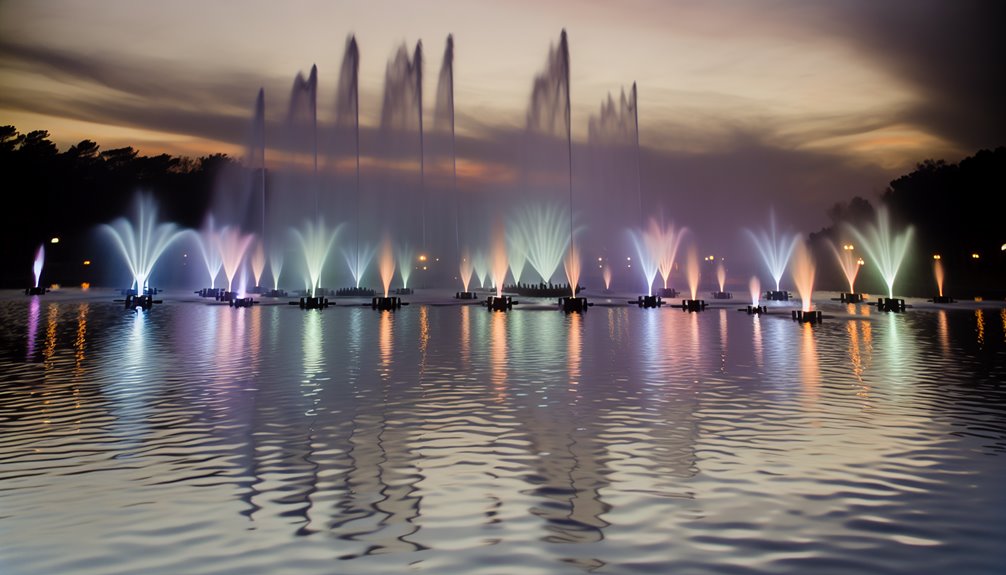
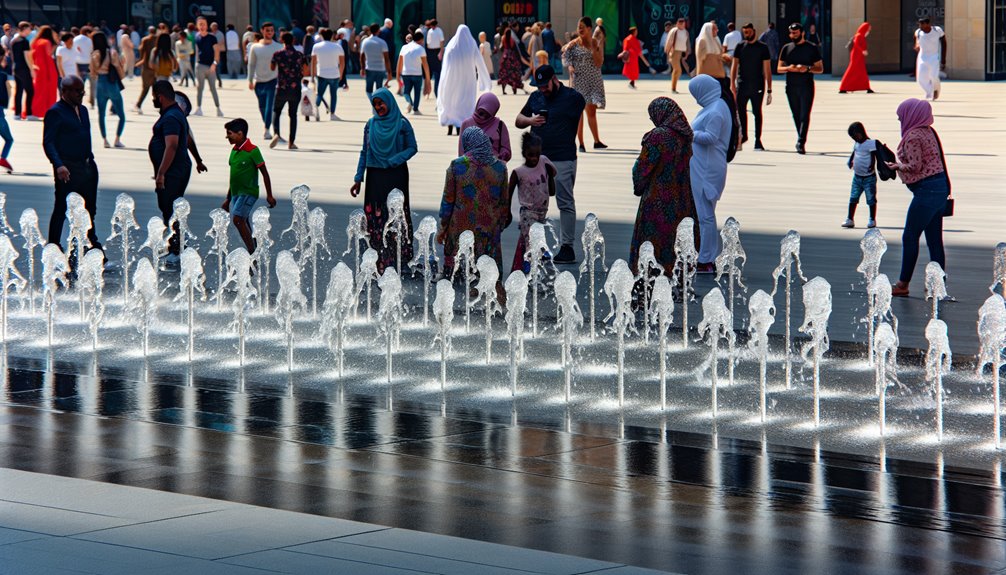
Outdoor musical water fountains have evolved far beyond traditional decorative features. Today, they are engineered water show systems that combine precisely controlled water movement, dynamic lighting, and synchronised music to create memorable public experiences. From city landmarks and civic squares to large commercial complexes and entertainment destinations, these fountains play a central role in shaping identity, attracting visitors, and activating public space after dark.
This guide focuses on large-scale, programmable outdoor musical fountain systems designed for commercial and public environments. Rather than residential or purely ornamental fountains, it explores performance-grade water shows that require professional design, engineering, and long-term operational planning.
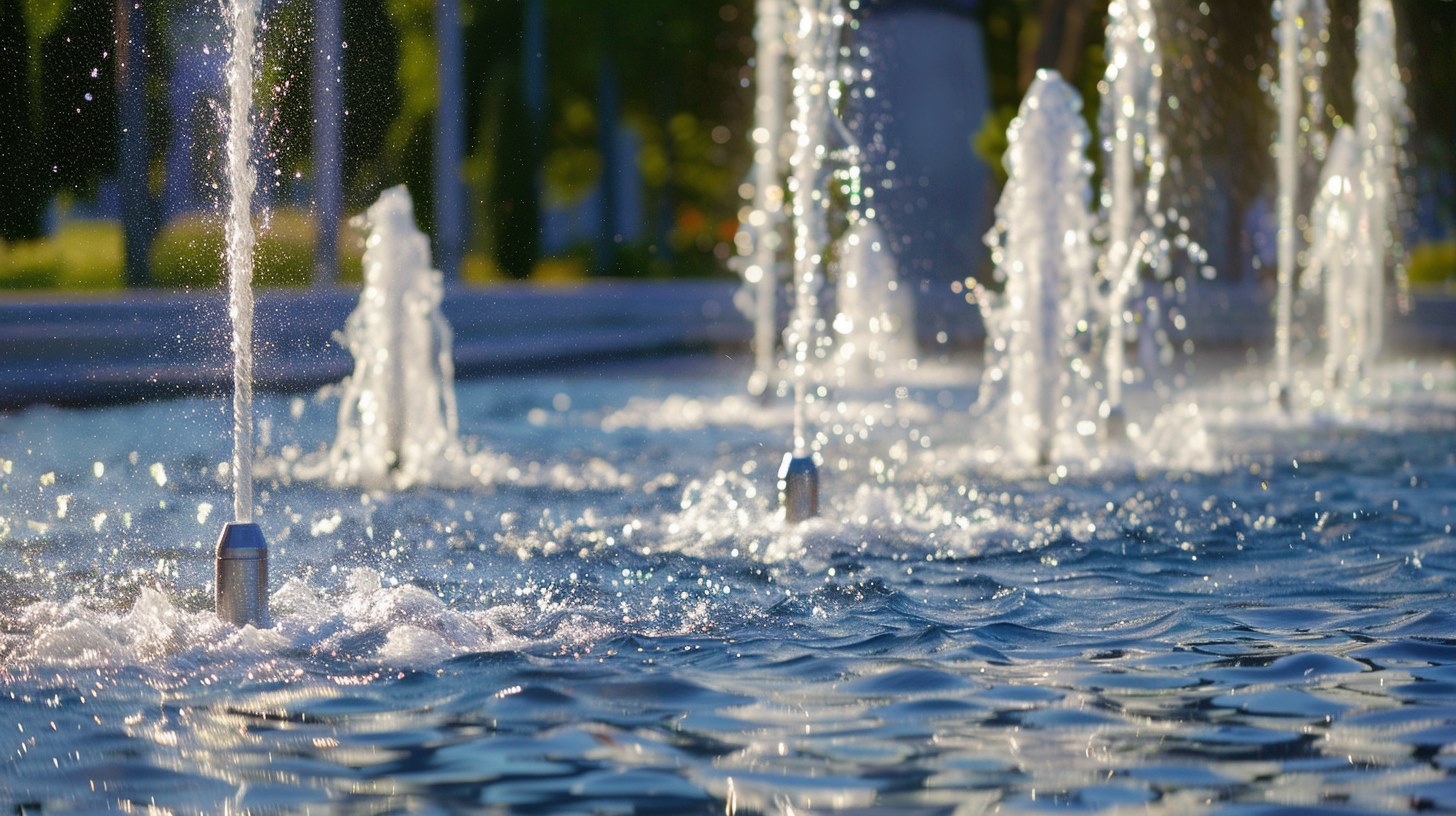
An outdoor musical water fountain is a fully integrated water show system designed to perform choreographed sequences of water, light, and music in open-air environments. Unlike conventional outdoor fountains that operate with fixed water patterns, musical fountain systems are engineered to deliver timed performances where every element is precisely controlled and synchronised.
At the core of an outdoor musical fountain are three coordinated elements: water movement, lighting, and music, all managed through a central control system. Water jets rise, fall, and change form in response to programmed cues, while outdoor-rated LED lighting adds colour, rhythm, and visual depth. Music acts as the timing framework, guiding the choreography and overall emotional impact of the show.
It is important to distinguish between decorative outdoor fountains and performance-grade musical fountain water shows. Decorative fountains typically run continuously with limited variation and minimal control logic. Musical fountains, by contrast, rely on advanced hydraulic design, programmable controls, and show programming to deliver repeatable, audience-facing performances. Because of this complexity, outdoor musical fountain systems require professional design, engineering coordination, and specialised programming to operate reliably in commercial and public settings.
Outdoor musical fountains can be configured in several distinct system types, depending on the scale of the site, the desired visual impact, and how the fountain is expected to perform during shows. While all musical fountains rely on synchronised water, lighting, and music, the level of programmability and hydraulic complexity varies significantly between systems.
Static musical fountain systems are designed around predefined water patterns that operate in synchronisation with lighting changes and music playback. The water effects themselves remain mechanically fixed, with variation achieved through timing, sequencing, and illumination rather than physical movement.
These systems are valued for their stability and consistency, making them suitable for locations where reliability and low operational complexity are priorities. Static musical fountains are commonly installed in civic squares, hotel forecourts, and permanent landmark settings where scheduled shows enhance the environment without requiring highly dynamic choreography.
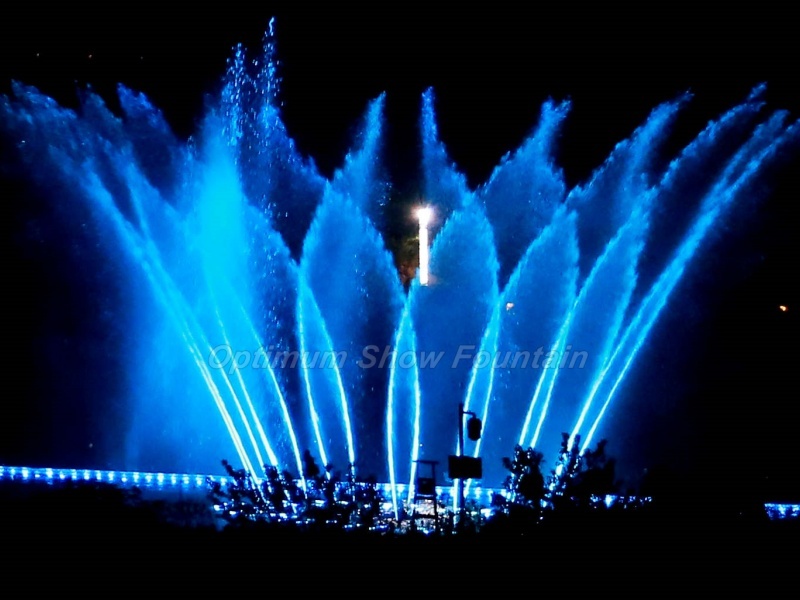
Dynamic dancing fountain systems offer a higher level of visual expression through fully programmable nozzle movement and variable water heights. Using motorised nozzles and advanced control logic, these fountains respond in real time to music and lighting cues, creating fluid, expressive performances that evolve throughout a show.
Because of their flexibility, dancing fountain systems are typically used in audience-facing environments where scheduled performances are a central attraction. These systems demand precise hydraulic design, responsive control architecture, and detailed show programming to maintain performance quality and mechanical reliability over time.
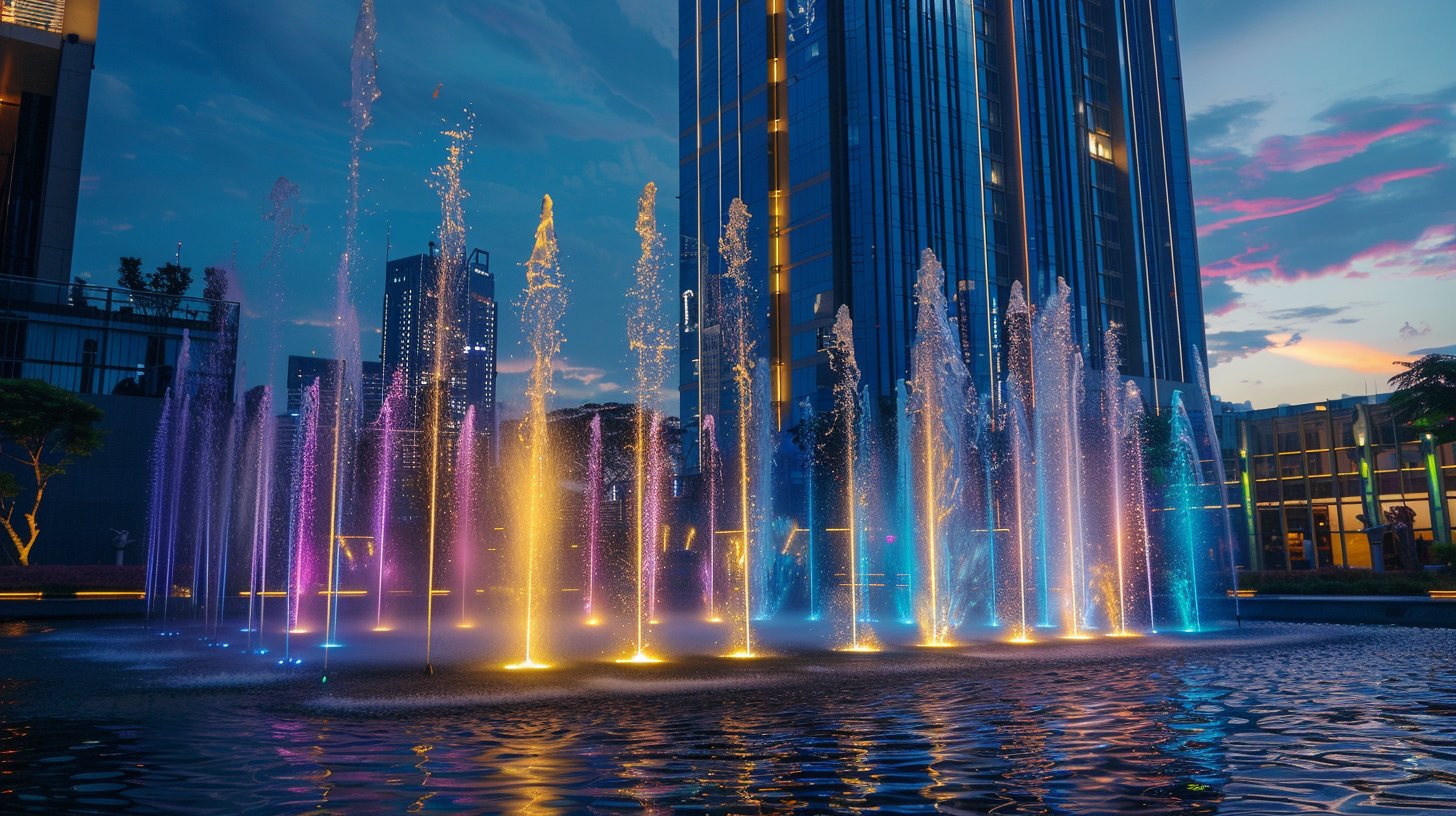
Large-scale landmark fountain systems are engineered for iconic public spaces and destination projects. They often feature extended layouts, such as long linear basins or lake-based installations, combined with multiple performance zones operating together as a single show environment.
High-throw water jets, layered choreography, and complex lighting compositions are common in these projects. Due to their scale and visibility, landmark fountain systems require extensive upfront planning, multi-disciplinary coordination, and robust infrastructure to ensure consistent performance and long-term operational stability in demanding public settings.
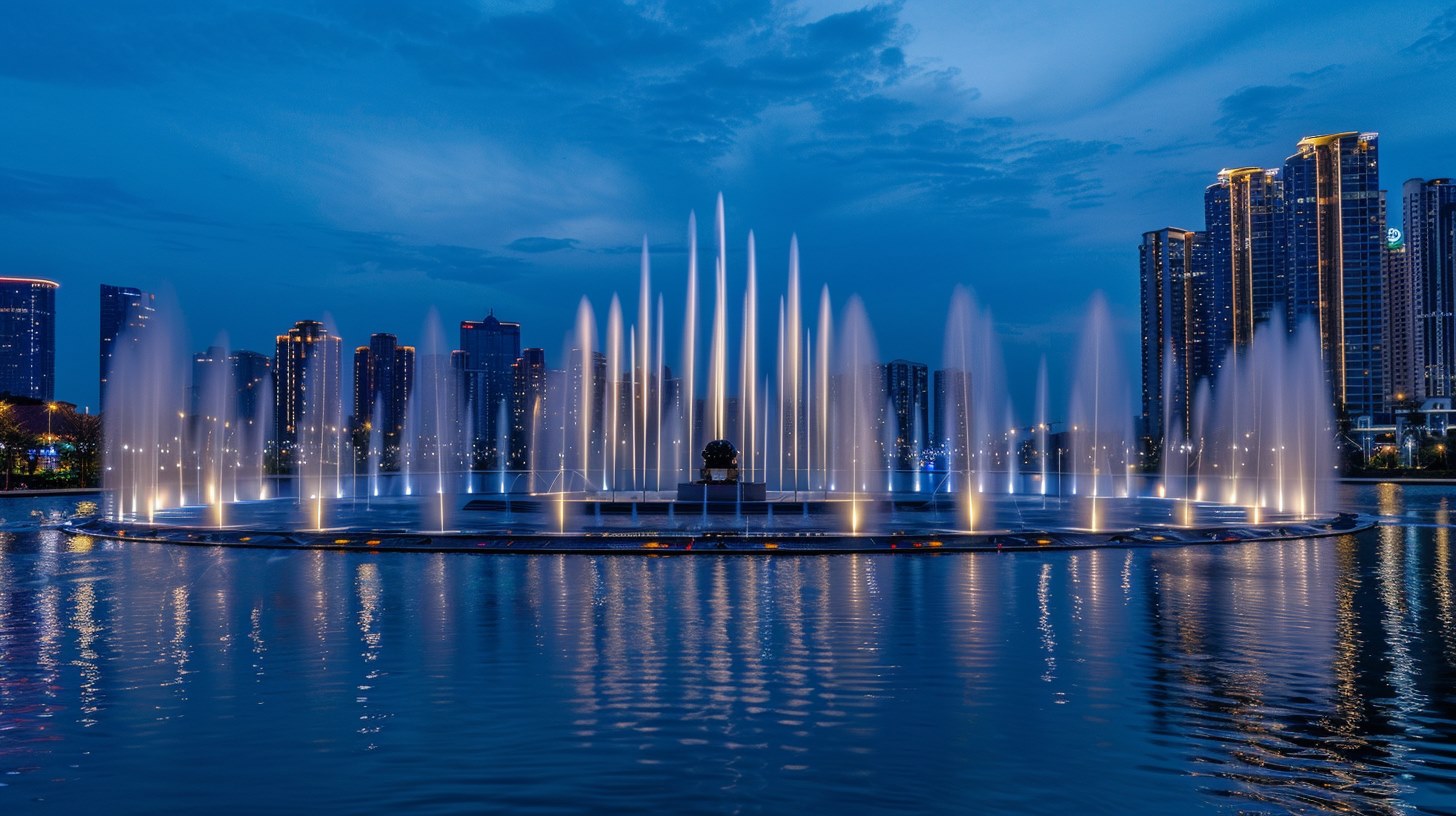
An outdoor musical fountain is a fully integrated system, where water effects, lighting, music, and controls must operate in precise coordination. Rather than focusing on individual products, professional fountain design treats these elements as part of a single performance platform.
| Typically, PLC-based logic is combined with DMX control for dynamic effects | Role in the Fountain System | Key Notes for Commercial Projects |
| Fountain Nozzles & Water Effects | Create visible water movement and choreography | Includes vertical jets, fan nozzles, rotating or articulated effects; selection impacts visual language and wind sensitivity |
| Fountain Pump Systems | Provide controlled flow and pressure | High-performance pumps are zoned for responsiveness, redundancy, and stable operation during shows |
| Control System Architecture | Coordinates water, lighting, and music | Typically PLC-based logic combined with DMX control for dynamic effects |
| Outdoor LED Lighting | Adds colour, rhythm, and night-time impact | Must be waterproof, corrosion-resistant, and support precise dimming and colour programming |
| Music & Show Control Software | Synchronises all elements into performances | Enables choreography design, timing control, show scheduling, and future content updates |
In large outdoor musical fountain projects, performance reliability depends on integration, not individual component quality alone. Pumps, nozzles, lighting, and controls must be engineered as a coordinated system to ensure:
This system-level approach is what separates decorative fountain installations from professional outdoor musical fountain water shows designed for long-term commercial and public use.
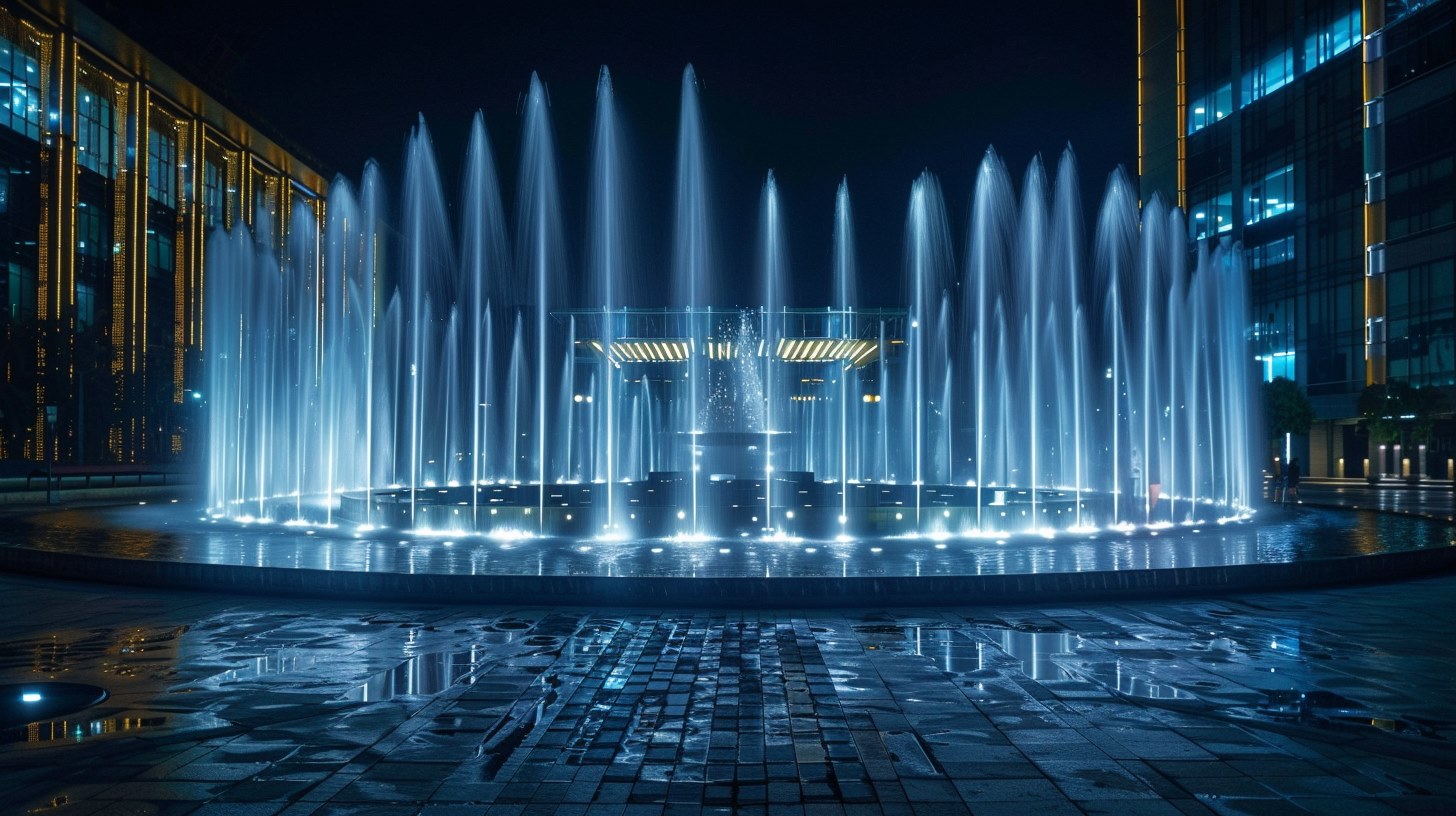
Outdoor musical water fountains are used in a wide range of commercial and public environments, where visual impact, crowd engagement, and long-term reliability are essential. While the core technology remains similar, application requirements vary significantly depending on site conditions, audience behaviour, and operational intensity.
In public squares and landmark locations, outdoor musical fountains often function as city identity features. They create focal points that attract visitors, encourage evening activity, and support night-time economies through scheduled performances.
Key considerations in these environments include:
These projects typically prioritise durability, predictable operation, and strong visual presence rather than frequent choreography changes.
Within shopping centres, mixed-use developments, and commercial plazas, musical fountains are commonly integrated as central activation elements. Performances may be linked to events, holidays, or promotional schedules, helping to draw foot traffic and extend visitor dwell time.
Typical requirements include:
Here, musical fountains must balance spectacle with operational practicality and seamless integration into the overall development design.
Theme parks and entertainment districts demand musical fountain systems capable of high-frequency operation and consistent performance under intensive use. Shows are often scheduled multiple times per day and form part of a broader entertainment programme.
Key project drivers include:
In these settings, system engineering and maintenance strategy are as critical as visual design, as downtime directly affects visitor experience and operational revenue.
Designing an outdoor musical fountain for commercial or public use requires more than visual creativity. Each project must account for environmental conditions, audience behaviour, and infrastructure constraints to ensure the fountain performs reliably and safely over time.
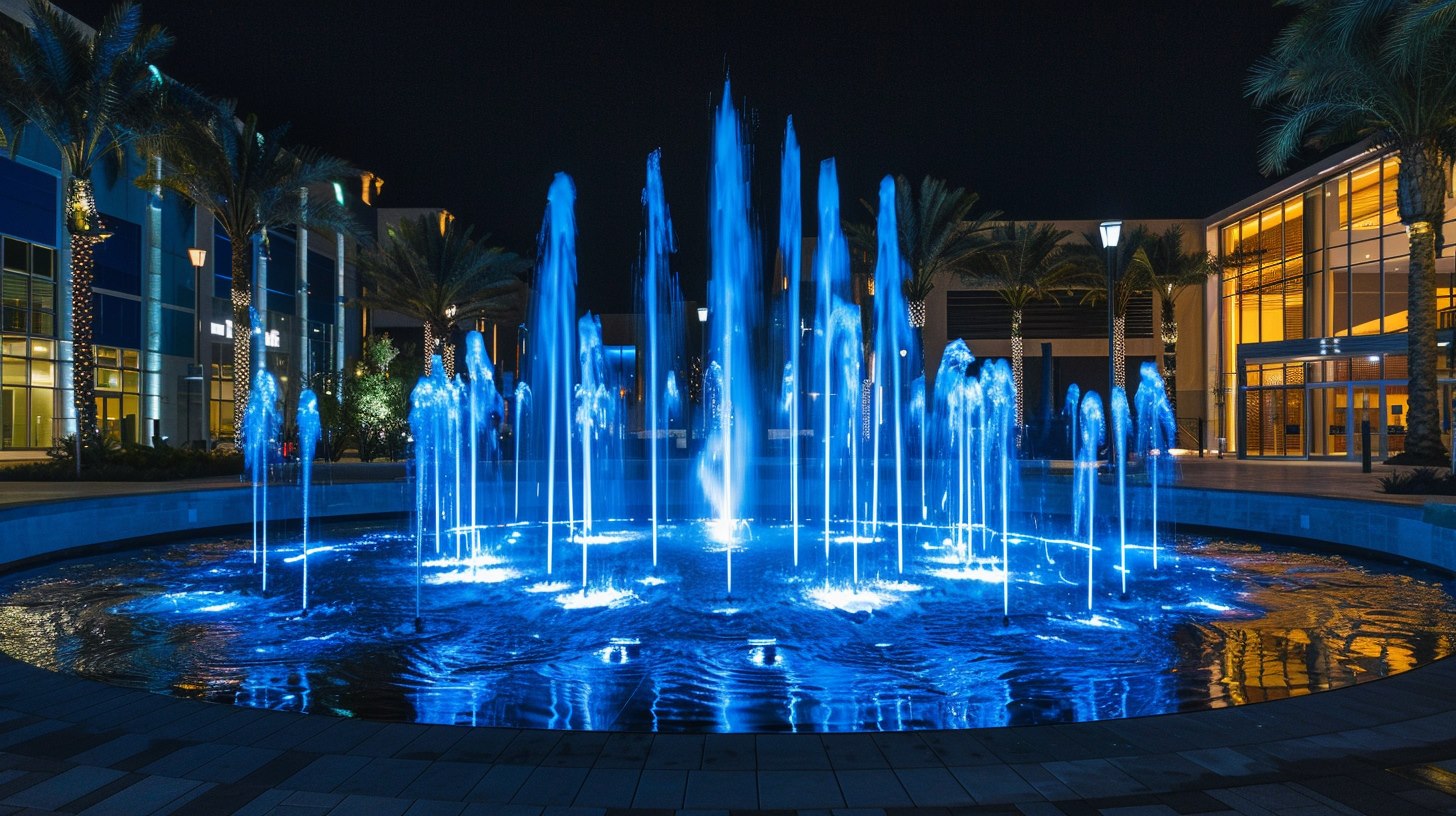
Outdoor fountains are directly affected by wind, temperature, and seasonal variation. Wind can distort water patterns and reduce visual clarity, particularly for high jets or fine spray effects. Climate conditions also influence material selection, equipment protection, and operating schedules. These factors must be considered early to avoid performance issues after installation.
The physical layout of the fountain basin and surrounding space plays a critical role in how performances are experienced. Sightlines should be planned so water effects remain visible from key viewing areas, while basin dimensions and nozzle spacing support the intended choreography. In large public spaces, viewing distance and crowd distribution are especially important.
Music is a defining element of a musical fountain, yet outdoor environments present acoustic challenges. Speaker placement, sound dispersion, and volume control must be designed to deliver a clear experience without causing disturbance to surrounding areas. Acoustic planning is often integrated with the fountain layout and nearby architectural features.
Outdoor musical fountains require coordinated planning for power supply, drainage, and equipment access. Control rooms, pump rooms, and service access points must be integrated into the overall site design. Early coordination with civil, electrical, and landscape teams helps avoid conflicts and ensures efficient installation.
Public safety is a fundamental design requirement. Clear separation between performance zones and public access areas helps prevent accidental entry into high-pressure water zones or electrical components. Safety zoning, signage, and physical barriers are planned alongside visual design to meet regulatory and operational standards.
The cost of an outdoor musical fountain system is shaped by design complexity, engineering scope, and long-term operational requirements, rather than by equipment pricing alone. Understanding these cost drivers helps project teams plan realistically and avoid late-stage scope changes.
Rather than focusing on price ranges, successful projects evaluate cost structure:
Addressing these questions early leads to better alignment between design ambition and long-term performance.
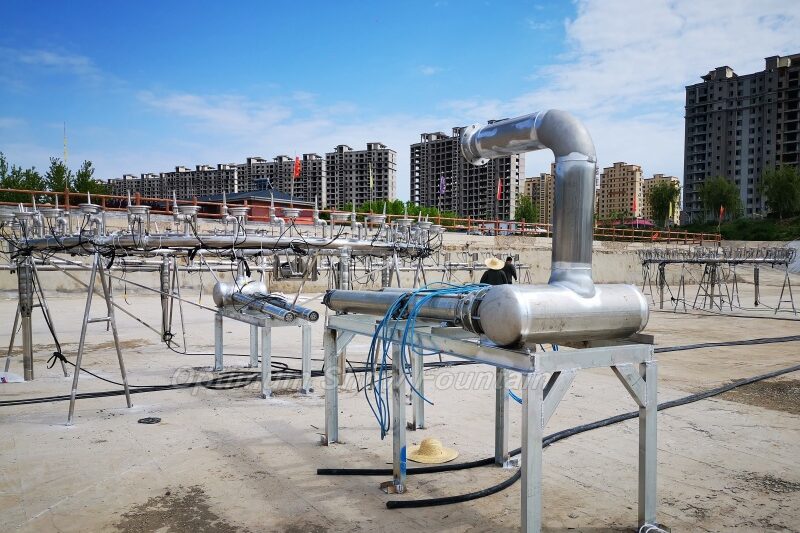
For outdoor musical water fountains in commercial and public spaces, long-term success depends as much on operation and maintenance planning as on initial design. These systems are expected to perform reliably in open environments, often in front of large audiences, making consistency and uptime critical.
Outdoor musical fountains may operate continuously as ambient features or run scheduled performances at specific times. Show-based operation reduces mechanical wear while maximising visual impact, but it requires precise timing and dependable control systems to ensure each performance runs as intended.
Maintaining stable water quality is essential for both visual clarity and equipment longevity. Effective filtration, circulation, and treatment systems help prevent nozzle blockage, pump wear, and uneven water effects. In public environments, water management strategies are also designed to meet hygiene and environmental requirements.
Professional fountain systems are designed with component lifespan and redundancy in mind. Critical pumps, controls, and lighting circuits are often zoned or backed up to reduce the impact of individual failures. This approach minimises downtime and protects the overall performance schedule.
In high-visibility locations, even short periods of downtime can affect public perception. System-level reliability, accessible maintenance design, and clear operational procedures all contribute to sustained performance over years of operation.
Long-term performance is supported through regular inspections, software updates, and technical assistance. Access to experienced support teams allows operators to adjust shows, resolve issues efficiently, and extend system life without major disruption.
Outdoor musical fountain projects involve complex coordination across design, engineering, manufacturing, installation, and programming. The choice of partner has a direct impact on system performance, delivery risk, and long-term reliability.
Rather than acting as decorative landscape features, musical fountain systems function as outdoor performance infrastructure. Experience in water show engineering is essential to manage environmental conditions, control complexity, and ensure continuous public operation.
Key factors to consider when selecting a fountain partner include:
Selecting the right partner is not only about delivering the fountain itself, but about ensuring stable operation, adaptability, and performance quality throughout the life of the installation.
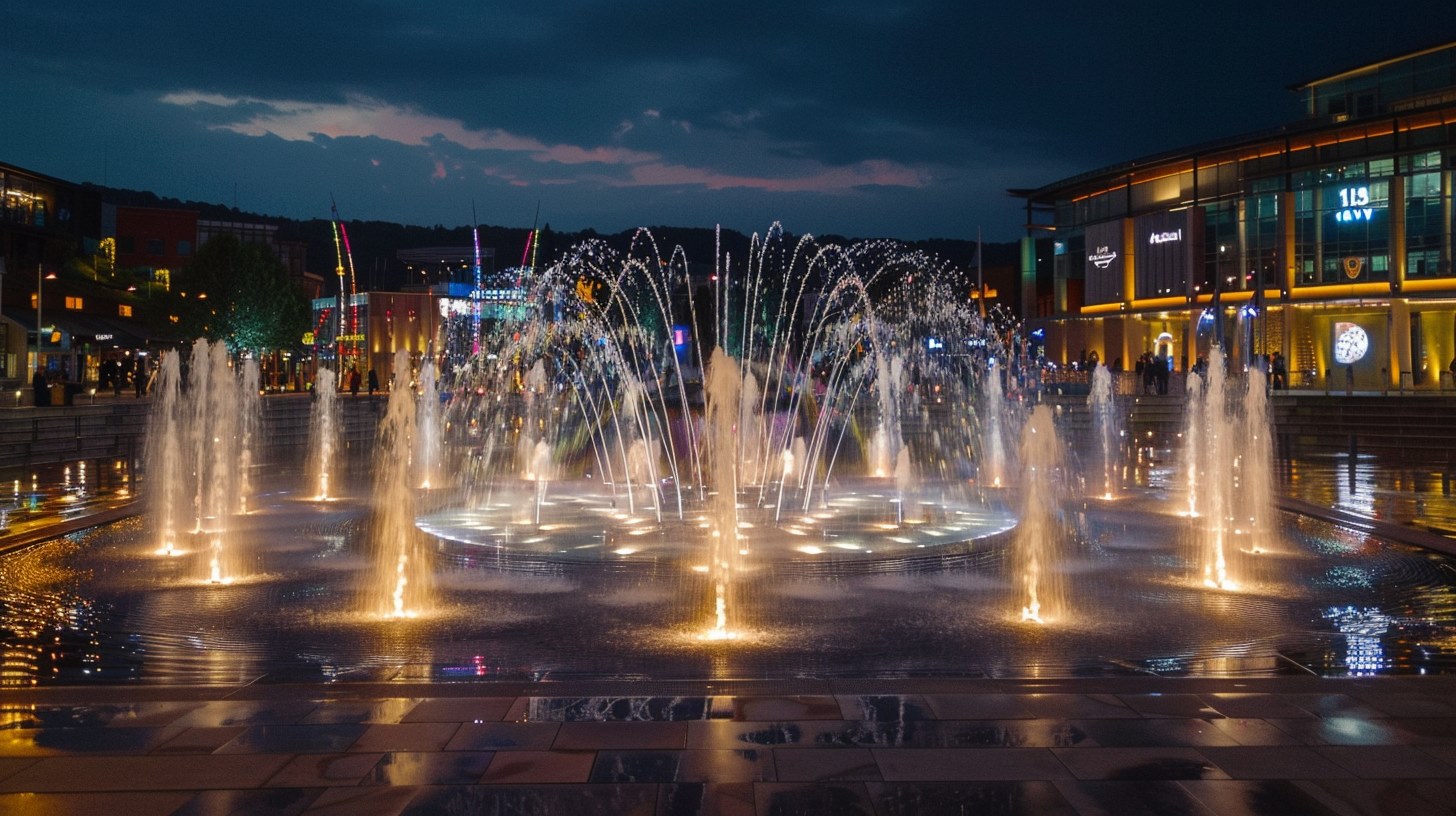
Optimum Show specialises in the design and delivery of large-scale outdoor musical fountain systems for commercial and public environments. With experience across complex, high-visibility projects, the team approaches each fountain as a complete water show system rather than a collection of individual components.
From early concept development through to final commissioning, Optimum Show provides an integrated, engineering-led process. Fountain layout, hydraulic design, control architecture, lighting configuration, and choreography programming are developed in coordination to ensure stable performance and long-term reliability in outdoor conditions.
Each project is treated as a custom solution. Show sequences are programmed to suit the site context, audience behaviour, and operational requirements, allowing fountains to function as landmark attractions while remaining practical to operate and maintain. Installation and commissioning are managed with a focus on system tuning, performance validation, and handover readiness.
For outdoor musical fountain projects that demand precise choreography, dependable operation, and sustained visual impact, early collaboration with an experienced water show engineering team is essential. Optimum Show supports clients throughout the full project lifecycle, from initial planning to ongoing technical support, ensuring fountains continue to perform as intended over time.
Outdoor musical water fountains have become defining features of modern public and commercial spaces. When designed and engineered correctly, they do more than decorate a site—they create identity, attract visitors, and deliver repeatable, high-impact experiences through carefully choreographed water, light, and music.
The success of these systems depends on clear project intent, sound engineering, and long-term operational planning. From selecting the right system type to coordinating controls, infrastructure, and maintenance strategy, early decisions shape performance outcomes for years to come.
For commercial and public projects where reliability, visual quality, and long-term value matter, outdoor musical fountains should be approached as engineered water show systems, supported by experienced design and delivery teams from the earliest stages.
If you are planning an outdoor musical water fountain for a commercial or public space, early technical discussion helps clarify feasibility, system scope, and long-term performance requirements.
Contact Optimum Show to discuss your project with an experienced musical fountain engineering team.
A decorative outdoor fountain typically operates with fixed water patterns and minimal control logic, running continuously as a visual feature. An outdoor musical water fountain is a performance-grade system that synchronises water movement, lighting, and music through programmable controls, allowing scheduled shows and choreographed sequences.
Outdoor musical fountains can be designed for a wide range of climates, but environmental conditions must be considered during design. Wind exposure, temperature variation, and seasonal operation all influence nozzle selection, water height, material choice, and operating schedules. Proper engineering ensures reliable performance under local conditions.
Operation frequency depends on system design and project requirements. Some fountains run scheduled shows at specific times, while others combine ambient operation with performance periods. Professional systems are engineered to handle repeated daily operation while managing wear, energy use, and maintenance needs.
Routine maintenance includes water quality management, filtration checks, inspection of pumps and nozzles, and periodic control system review. For public and commercial installations, maintenance planning is typically integrated into the design to ensure safe access, redundancy, and minimal downtime.
Yes. One advantage of programmable fountain systems is the ability to update choreography, lighting sequences, and music through control software. New shows can be added without modifying the physical fountain structure, provided the control system is designed with flexibility in mind.