Commercial fountains are a wonderful addition to hotels, malls, resorts, and many other business areas. They add great beauty and fun with a sense of special treatment for guests with their water shows, bright lights, and music. They require great planning and good engineering and proper gear and upkeep.
Commercial fountain project development means taking a water feature idea to an operating project. Each project requires a plan that fits with the budget, location, space, goal, and visitors.
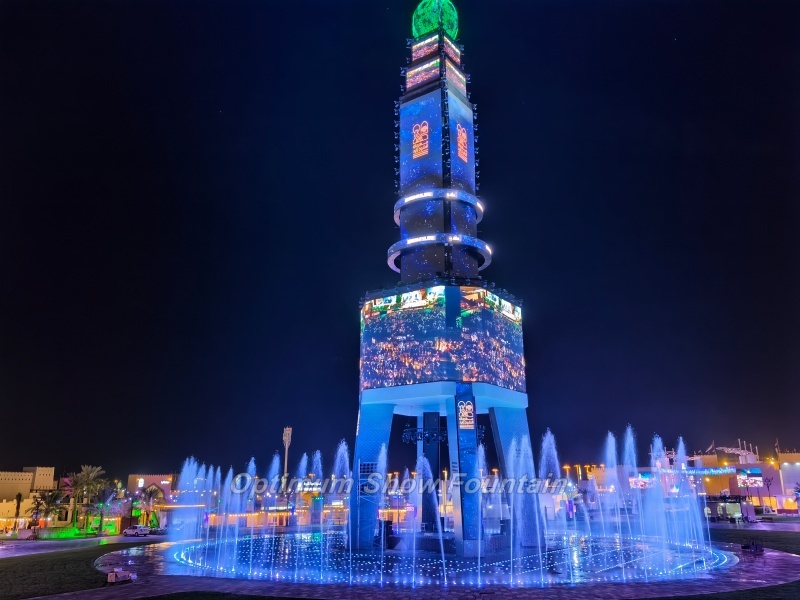
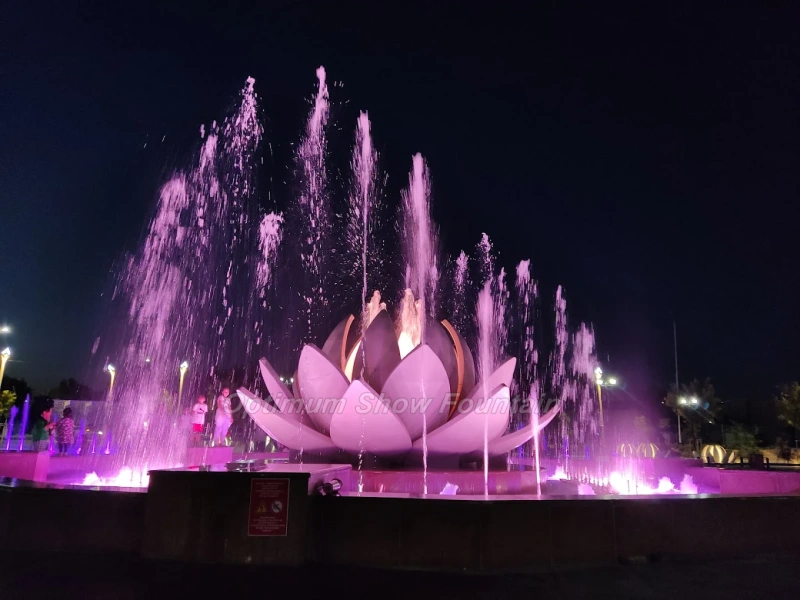
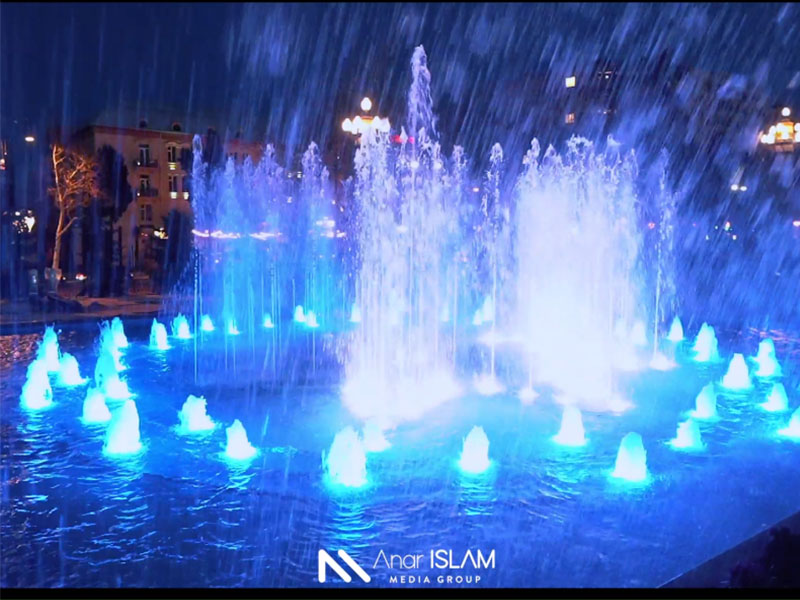
A project idea for a hotel may be for an architectural fountain in the front entry, while a project for a park may be for a musical water feature with bright lights that interacts with visitors.
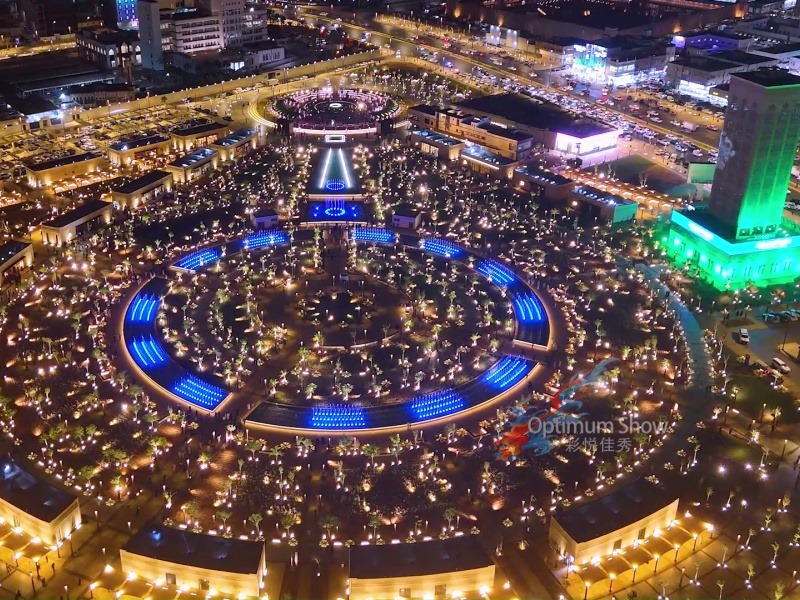
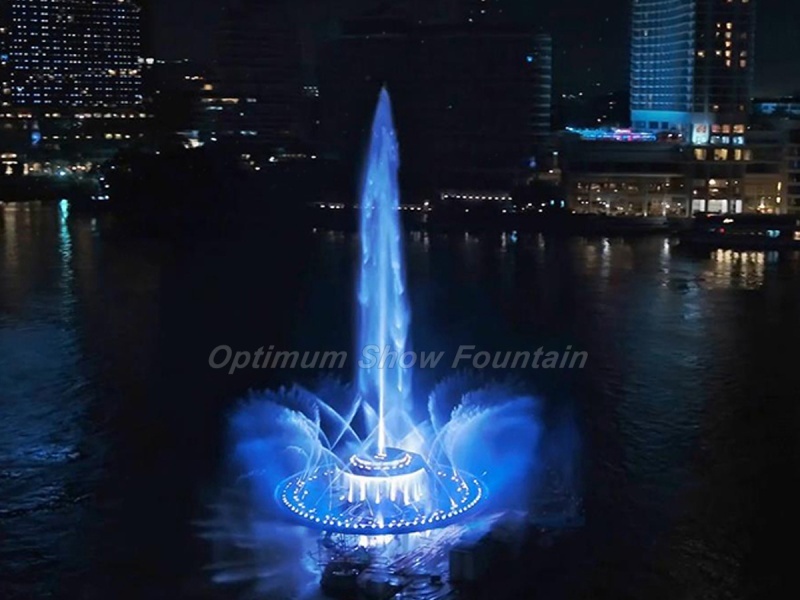
A project for a shopping center or entertainment complex may be for an attractive feature that provides additional entertainment and helps to keep guests longer.
The process of project development typically includes a site check, concept and water system design, gear and power system design, building, and final testing. Working on all these steps concurrently helps to stay on budget and goal, and help the final result look just how you want it to look.
There are many issues related to wind and weather that affect outdoor fountains.
Once the system is designed a realistic budget needs to include all expenses from design, construction, installation and maintenance to the cost of replacing equipment and the ongoing cost of utilities.
1. Outdoor Entertainment Fountains
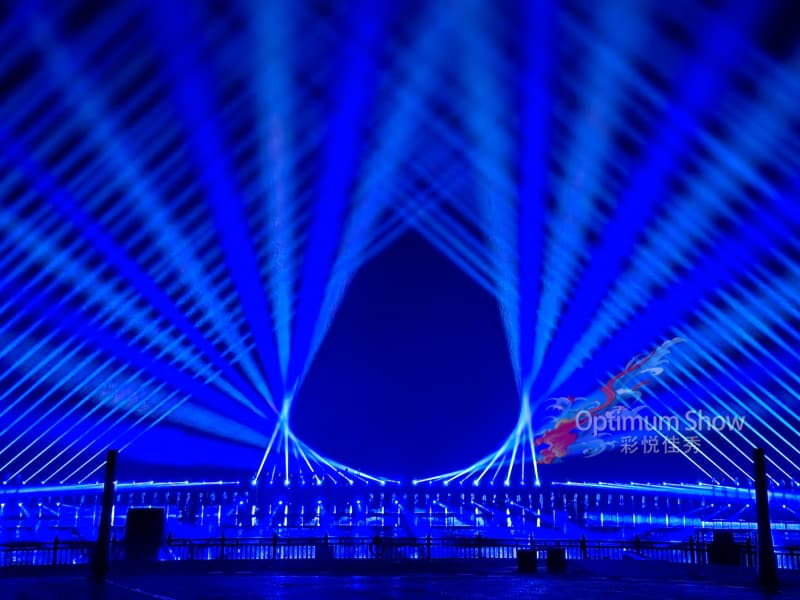
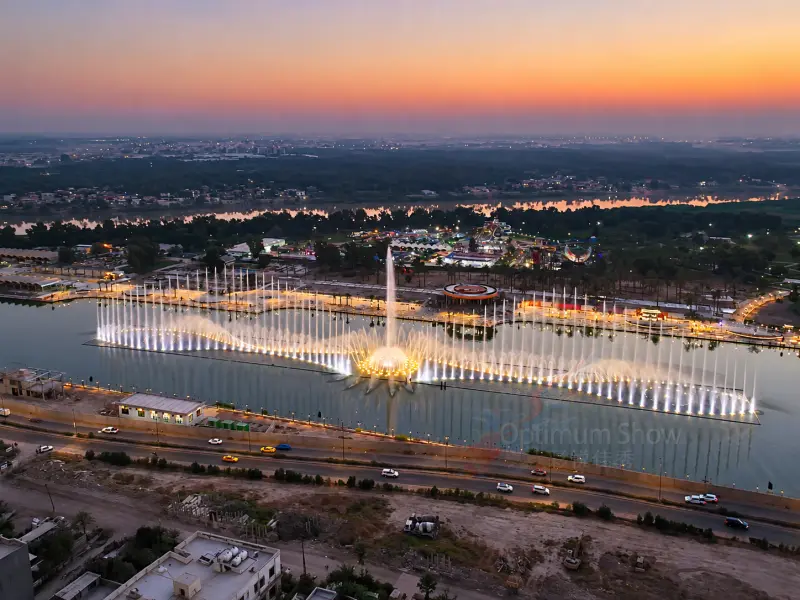
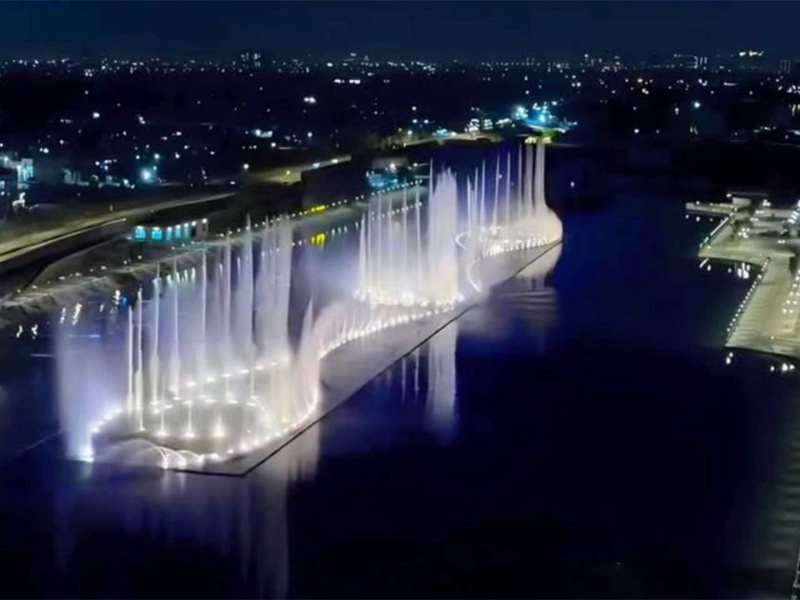
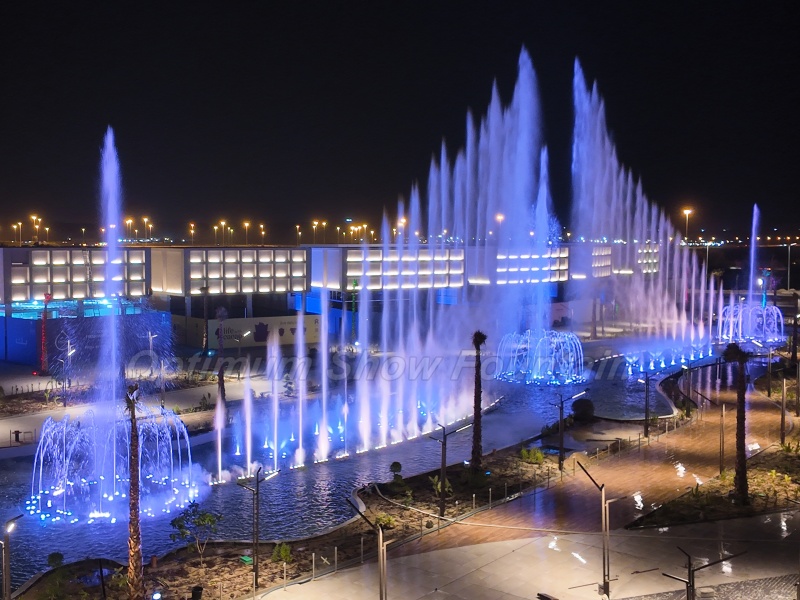
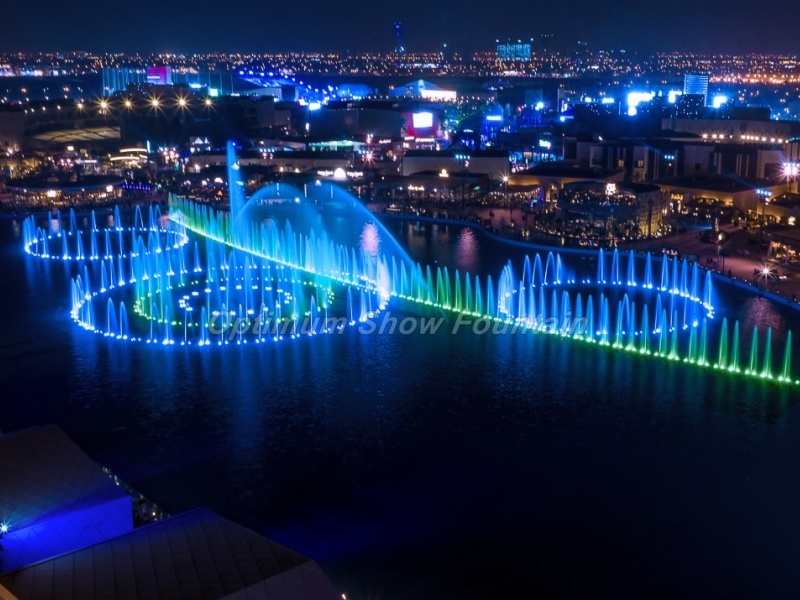
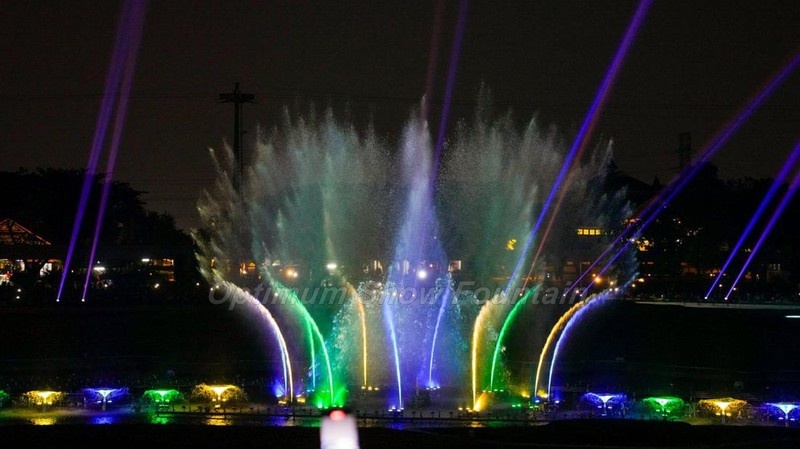
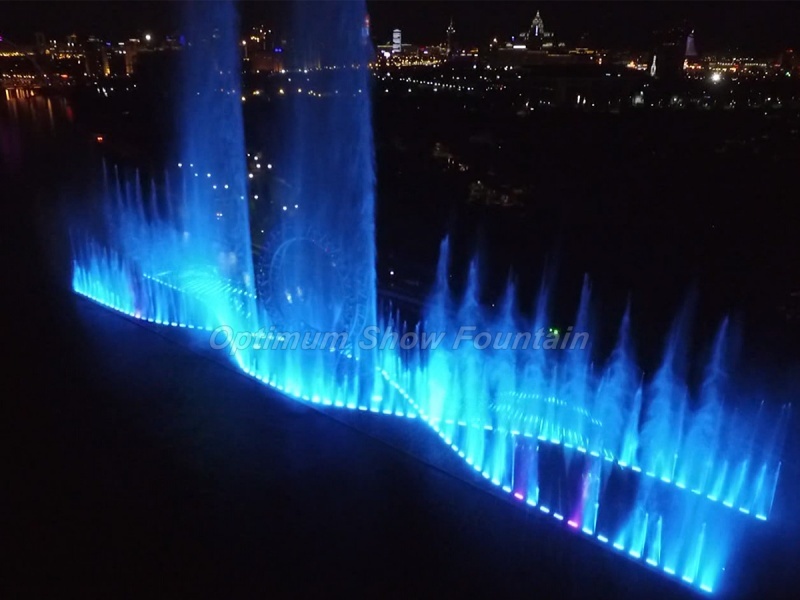
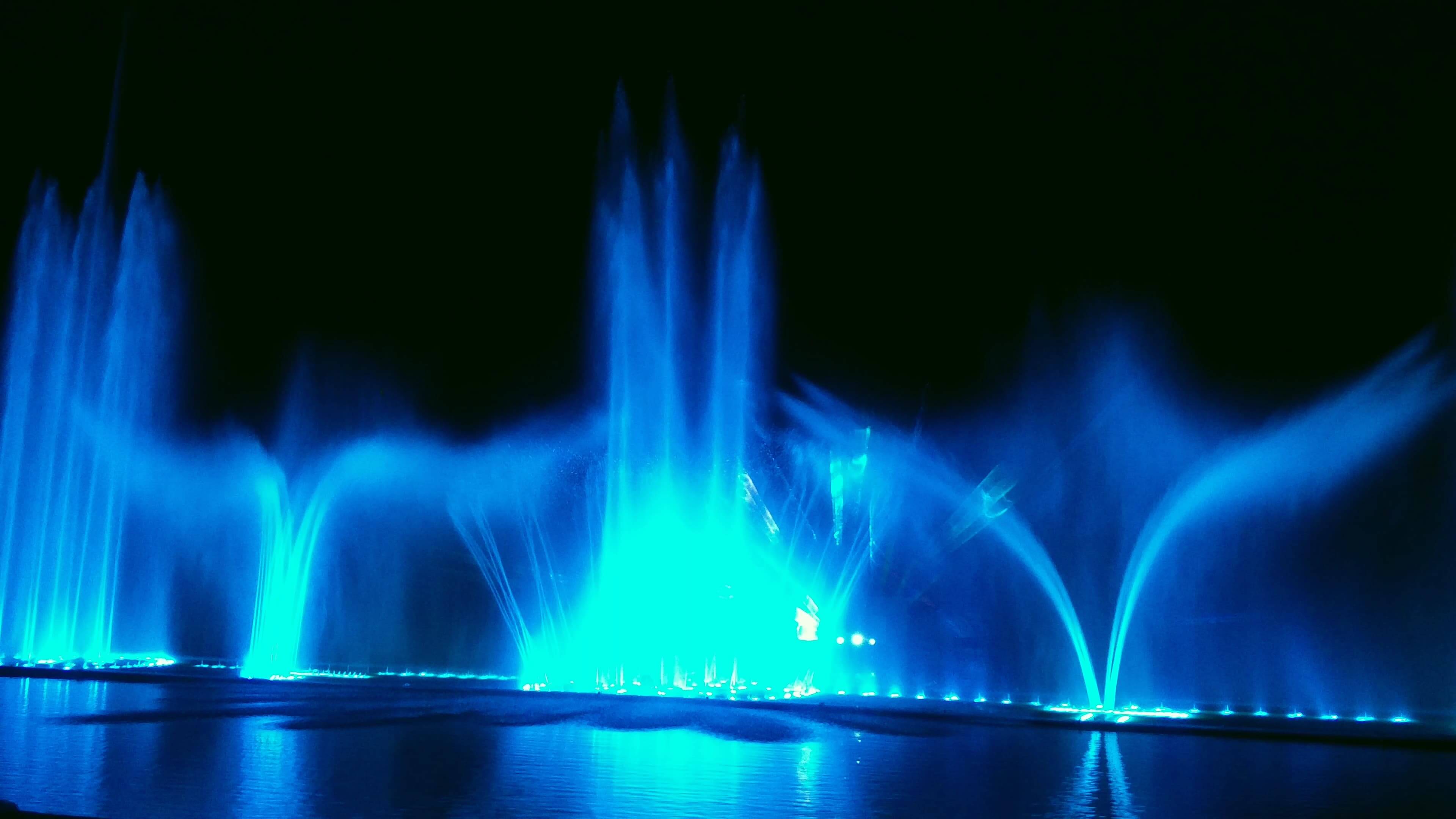
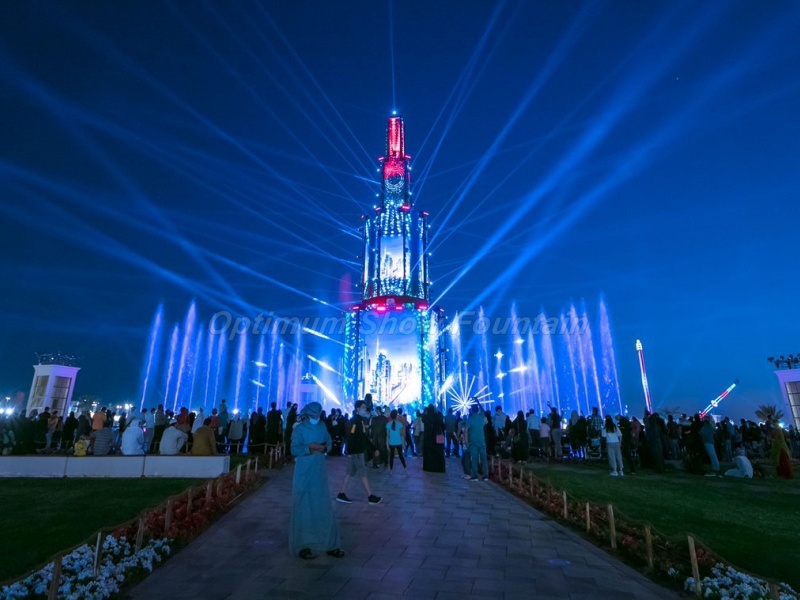
Today outdoor entertainment fountains often include laser light shows and special effects. An owner determines the type and cost of equipment based on effects and programs that need to be produced, how long they last, how easy they are to replace and how much power they use. Owners can program shows and change effects from a single control.
2. The Importance of Fountain Simulation and Design
Teams use simulations and designs to predict how water shows will work and look before actually building them. Simulations are especially useful in incorporating many different effects in an entertainment fountain show. Clashes between show effects and show controls (lights and jets) with the surrounding buildings and people are simulated. Wind can be modeled and spray cut off. Hydraulic calculations tell designers what the pipe and pump sizes should be to carry the required flow. 3-D pictures can be used to show designs to outside stakeholders. This collaborative work allows changes to be made to the design before expensive construction begins. The actual show will ultimately be impacted by the equipment used, show controls, how well the show is built, site conditions and final tests.
3. Installation, Testing and Commissioning
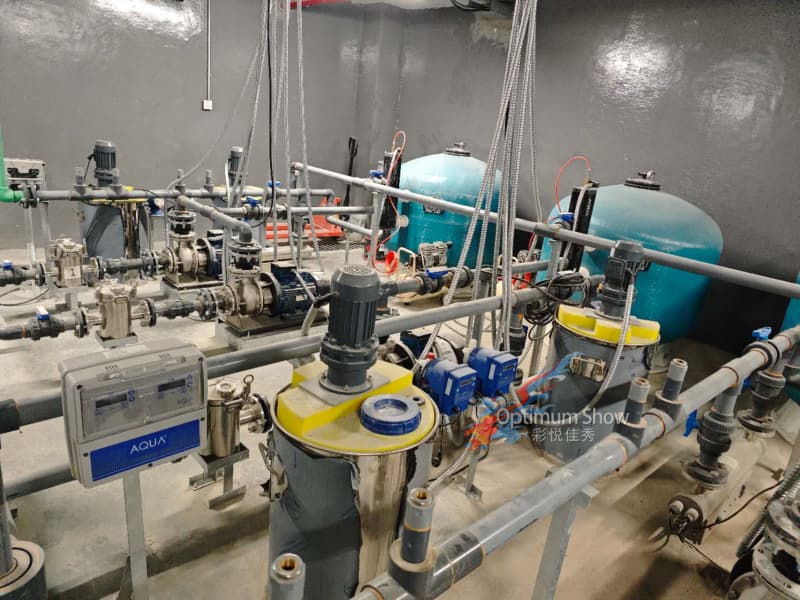
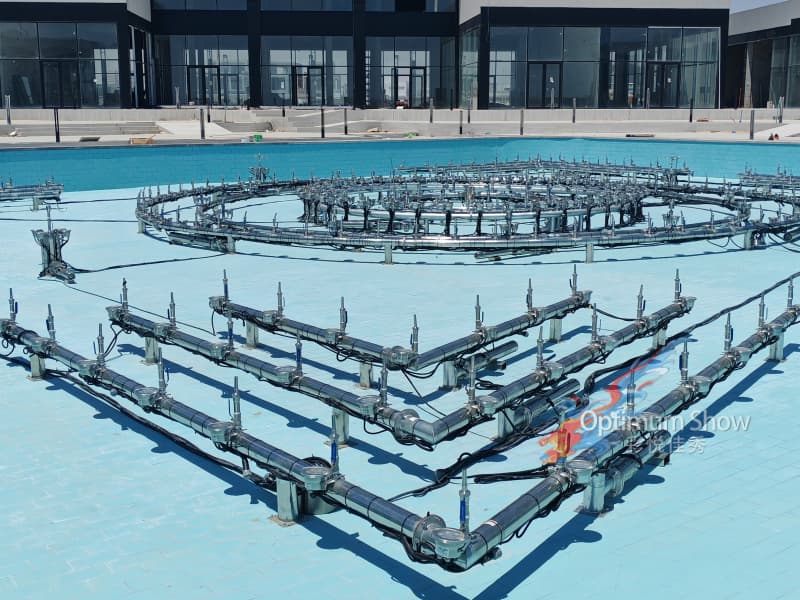
After the design is approved, the project is allowed to move into installation. This can include building the basin, waterproofing, piping, pumps and equipment integration and the control system. Teams must work together to coordinate the design of the hydraulic, electrical and automation systems. Poor integration can greatly increase the cost of ownership and increase the need for repair.
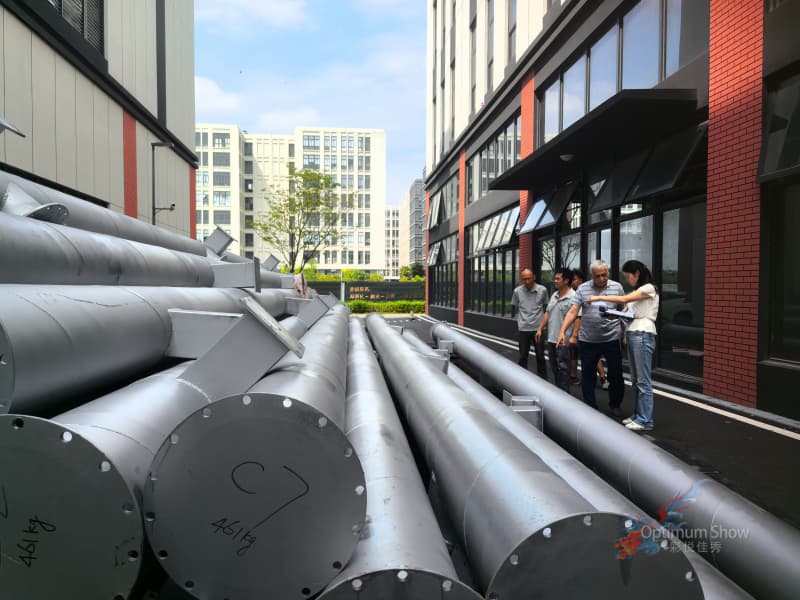
Prior to commissioning, the installation must undergo inspections and tests. Connections must be verified and checked for leaks. Drainage and controls systems must also be tested to function properly. Tests must be done to ensure that water effects, lighting effects and audio effects are in sync and integrated correctly.
There should be documentation for operation and maintenance, and operator training prior to the completion of a commissioning process.
Maintenance practices should include cleaning the fountain to ensure that there is no buildup of mineral deposits or algae, and that the fountain nozzles are not clogged.
There should be scheduled inspections of the fountain, which should occur often if the fountain is large or operating frequently.
There are practices that should be performed daily, weekly and monthly.
Daily maintenance should include checking the level of the water, and observing the water for any issues, as well as looking for issues with pumps and control systems.
You know, taking care of a fountain is not just about making sure it looks nice and pretty. It's really about keeping the whole system of pumps, lights, and all those lovely water features working smoothly, bringing life to it.
In my days as a contractor involved with water shows, I've come to realize that regular upkeep is key to keeping any custom fountain both charming and functional. This keeps the water looking crystal clear and welcoming, like a friendly smile on a warm afternoon.
And let’s not forget about the heart of the fountain—the pump and filtration systems. Keeping these parts clean is vital. If they get clogged, it often leads to bigger headaches later on. It’s like making sure you have a good meal; if the ingredients are fresh, everything tastes better. Seasonal maintenance is also a good time to check for any wear and tear. This little inspection ensures everything is in tip-top shape before the fountain is ready to show its full glory. Finding a knowledgeable contractor can really take the guesswork out of all this.
They’ll have the know-how to guide you through what your fountain needs. By sticking to these simple but effective practices, fountain lovers can bask in the beauty of these creations for many years, keeping the artistry of custom-built fountains alive and well.
Conclusion
In freezing climates, winterization may require draining pipes, and the following of manufacturer-specific procedures to prevent ice damage.
As biological growth and evaporation increase, water level monitoring, filtration and water treatment become even more critical.
Long-term reliability is impacted by the service history of equipment. Repair records, water quality test results, replacement of equipment, and operating costs can be used to spot trends. This supports preventative maintenance planning.
Conclusion
Water management, Custom fountain construction can be enhanced through use of leaks detection, controlled make up water systems, and equipment recirculation. Evaluating water treatment needs can help reduce and eliminate unnecessary chemical use.
A well designed fountain can be an asset to enhance a property and increase visitor experience. Engineered design and build systems along with routine maintenance can protect the investment.
Commerical fountain projects require the integration of multiple disciplines. From initial site evaluation to final construction, each phase affects a fountains appearance and operating costs.
Optimus Show supports client fountain project goals with integrated water displays and Long-term Performance goal in mind. For more information contact Nick Hom at 0086-137 2980 2519.
Share your site size, water depth, location or CAD drawing with our engineering team. We can evaluate the project requirements and recommend a suitable fountain system.