Shopping malls are at a turning point. Foot traffic is recovering — but only for malls that give people a reason to show up in person. Entertainment-led experiences are driving this recovery, with indoor mall visits rising 1.8% in the first half of 2025. A dancing fountain for shopping mall developments is no longer just a decorative feature. It has become a strategic attraction that increases dwell time, strengthens nighttime activity, and creates highly shareable social media moments.
At Optimum Show, we have designed and delivered dancing fountains for shopping malls across the Middle East, Central Asia, and beyond. This guide covers everything you need to know — from fountain types and technology to costs, process, and real-world results.

Modern shopping malls are no longer competing only through retail brands or store count. Today, successful commercial developments attract visitors by creating experiences people cannot get online. This shift toward experiential retail is one of the main reasons dancing fountains have become increasingly popular in shopping malls worldwide.
A well-designed dancing fountain does more than decorate a plaza. It creates a focal point that increases visitor engagement, strengthens the atmosphere of the development, and encourages people to spend more time within the property. In many commercial projects, the fountain becomes one of the mall’s most recognizable attractions.
Consumers today visit malls for entertainment, dining, and social interaction — not just shopping. Features such as cinemas, themed restaurants, and live events are now central to modern retail strategy. Dancing fountains fit naturally into this environment because they create movement, energy, and public gathering behaviour.
Unlike static water features, synchronized fountain shows actively attract attention. Visitors stop to watch performances, take photos, and share videos online, turning the fountain into part of the overall customer experience rather than simple decoration.
One of the most important metrics in commercial retail environments is dwell time. The longer visitors stay within a shopping mall, the greater the opportunity for spending across restaurants, cafés, entertainment zones, and retail stores.
A dancing fountain naturally slows pedestrian flow and creates gathering areas where visitors pause, watch performances, and spend more time within surrounding commercial spaces. Interactive and visually dynamic fountains are especially effective in family-oriented developments because they encourage repeat visits and help establish the mall as a destination rather than just a shopping location.
Large-scale fountain shows are highly visual attractions that perform extremely well on social media platforms such as Instagram, TikTok, and YouTube. Nighttime performances featuring synchronized lighting, music, and water choreography generate continuous user-generated content without requiring additional advertising spend.
For many shopping malls, the fountain becomes a recognizable visual symbol of the development, helping increase brand visibility and attract new visitors through organic online exposure.
Beyond visitor attraction, dancing fountains also support event programming and commercial activities. Shopping malls frequently use fountain plazas for seasonal celebrations, product launches, brand activations, and public performances.
Because the fountain creates a built-in entertainment space, it increases the commercial value of surrounding public areas while giving operators additional opportunities for sponsorships, campaigns, and large-scale events. Over time, the fountain becomes both an entertainment feature and a long-term commercial asset for the property.
Not every fountain design works for every shopping mall. The right solution depends on the size of the development, visitor flow, architectural layout, operating strategy, and whether the installation is indoors or outdoors. Some fountains are designed to maximise interaction, while others focus on visual spectacle or branding value.
Below are the five fountain types most commonly used in modern shopping mall projects.
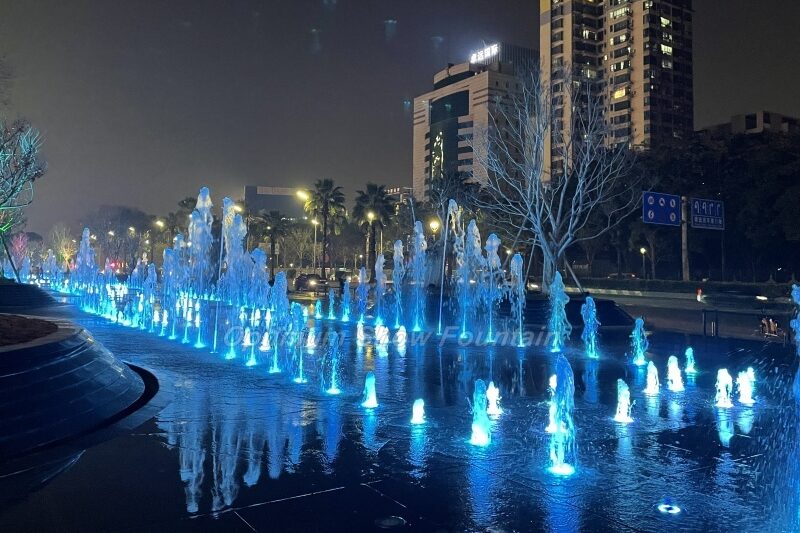
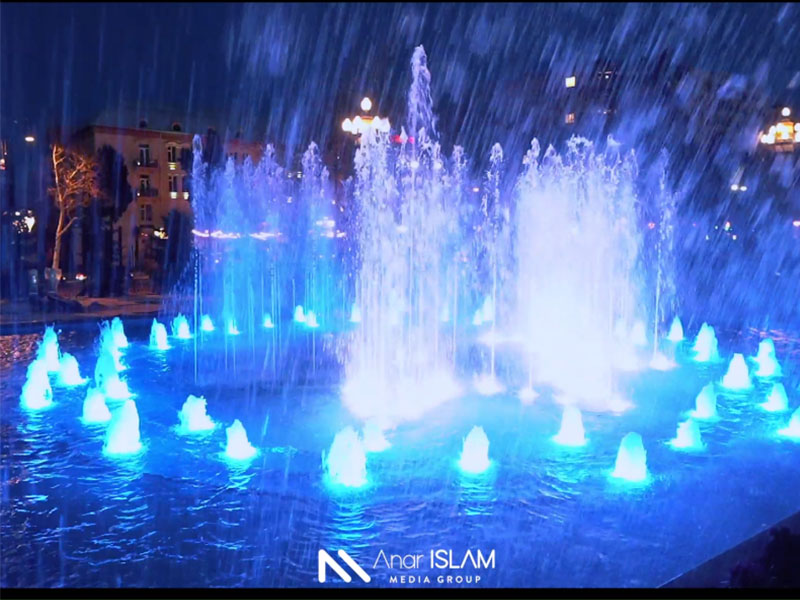
A dry deck fountain is one of the most popular choices for shopping malls because it combines entertainment with practical public-space use. Unlike traditional fountains, there is no exposed water basin. Water jets emerge directly from flush-mounted ground nozzles and drain immediately after each sequence, allowing the area to remain fully walkable when the system is inactive.
These fountains are especially effective in:
When synchronized with music and LED lighting, dry deck fountains create highly interactive performances that encourage visitors to stop, gather, and engage with the space. They are particularly popular with children and generate strong social media visibility due to their immersive nature.
The classic indoor musical fountain remains one of the strongest visual centrepieces for large shopping malls. Positioned within a central atrium or open gathering space, these fountains combine choreographed water movement, programmable lighting, and synchronized music into scheduled daily performances.
Because the fountain is visible from multiple floors of the mall, it creates a strong visual anchor that enhances the architectural identity of the development. Different nozzle types, lighting sequences, and show programs allow operators to update performances seasonally without major hardware changes.
This type of fountain is commonly used in:

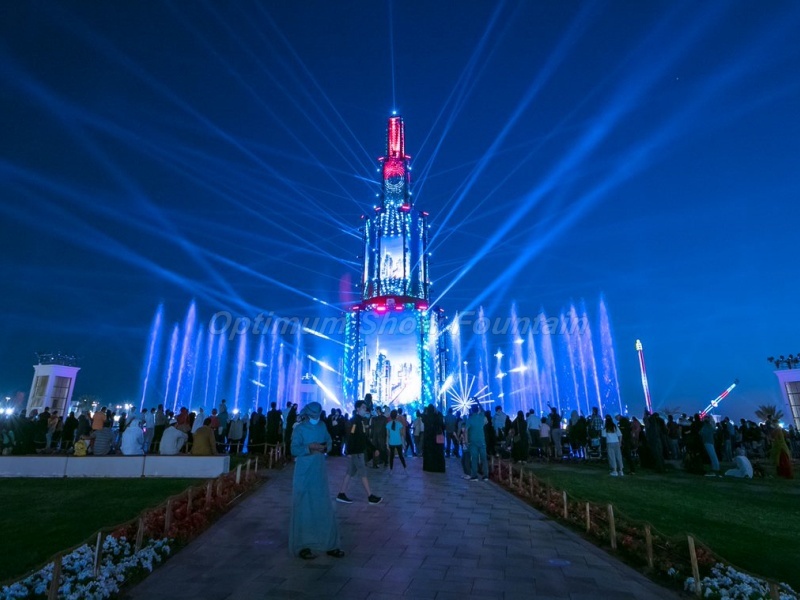
Digital water curtains combine fountain technology with multimedia display systems. Using controlled streams of falling water, these installations can function as both a digital water curtain and a water screen projection surface capable of displaying:
In shopping malls, digital water curtains serve both entertainment and commercial functions. They create a highly dynamic visual feature while also acting as an advertising and branding platform. This makes them particularly valuable for malls looking to maximise the commercial use of public gathering areas.
Water screen projection systems are especially effective for immersive visual storytelling, branded multimedia shows, and nighttime retail entertainment experiences. They work particularly well in entrance areas, food courts, and large-scale atrium walls.

Interactive fountains are designed to respond to visitor movement or touch using sensors and programmable controls. Water patterns, lighting effects, or music sequences change dynamically based on audience interaction, creating a highly engaging public experience.
These fountains perform especially well in:
Unlike passive visual features, interactive fountains encourage direct participation, making them highly memorable for visitors. They also generate strong social media engagement because people naturally share interactive experiences online.

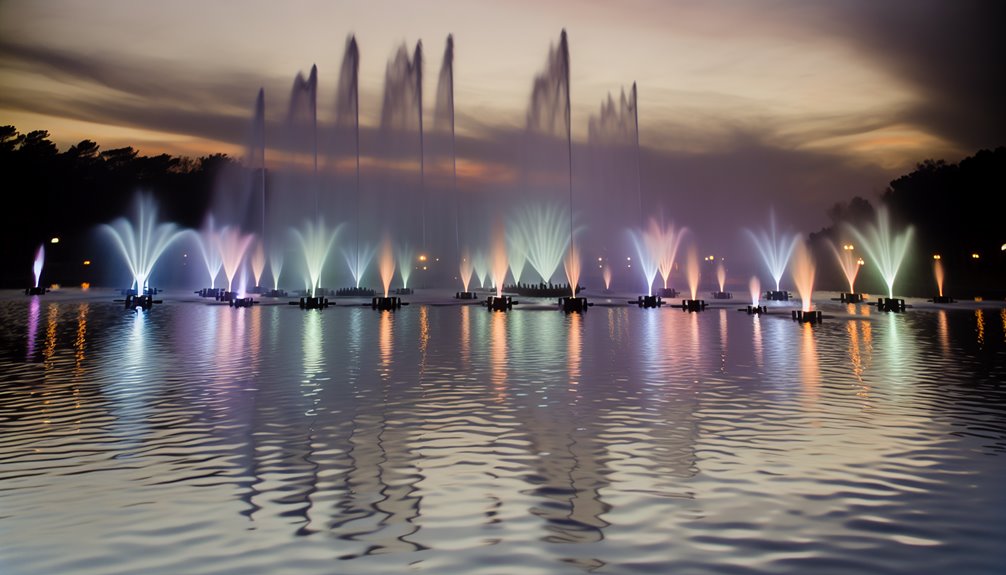
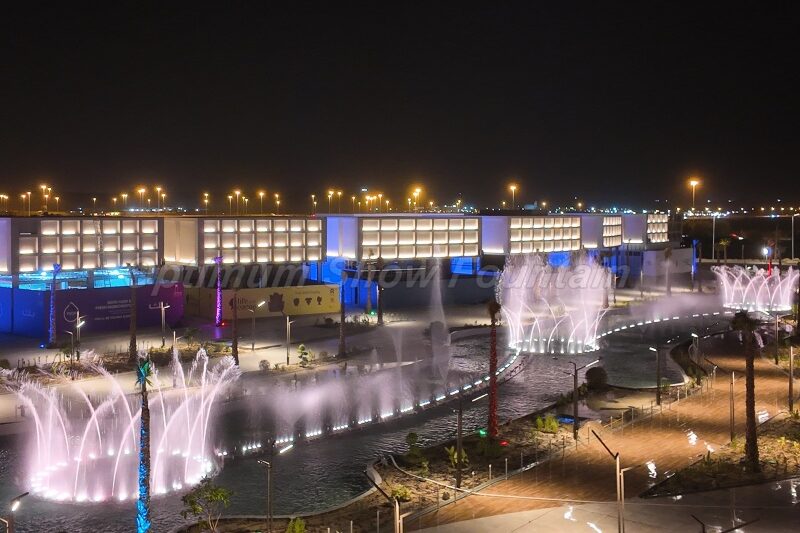
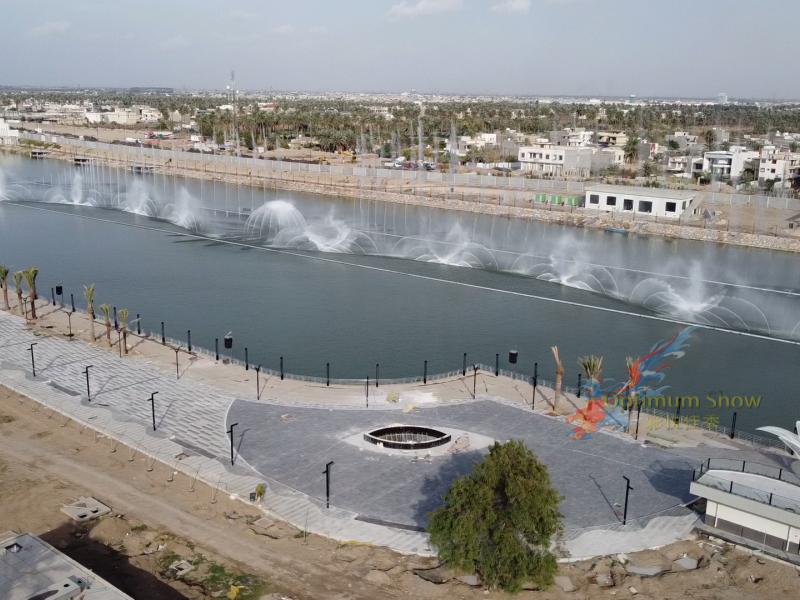
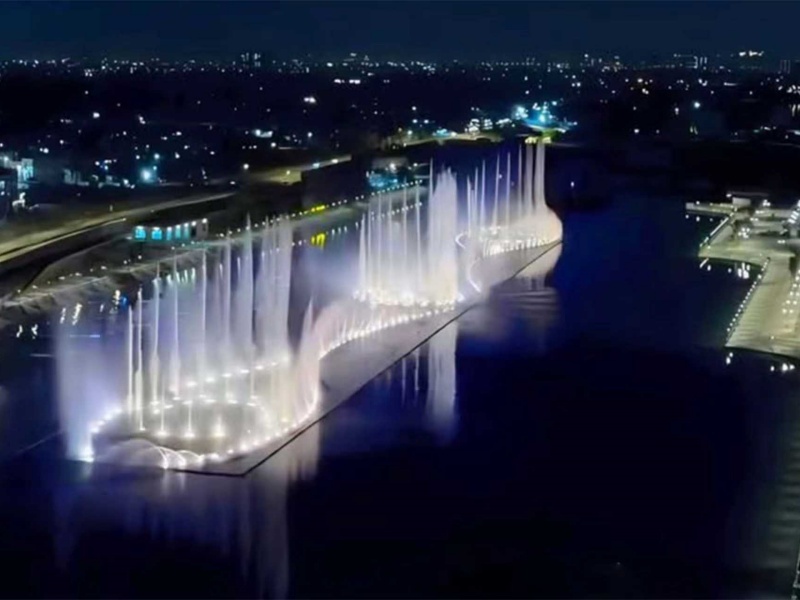
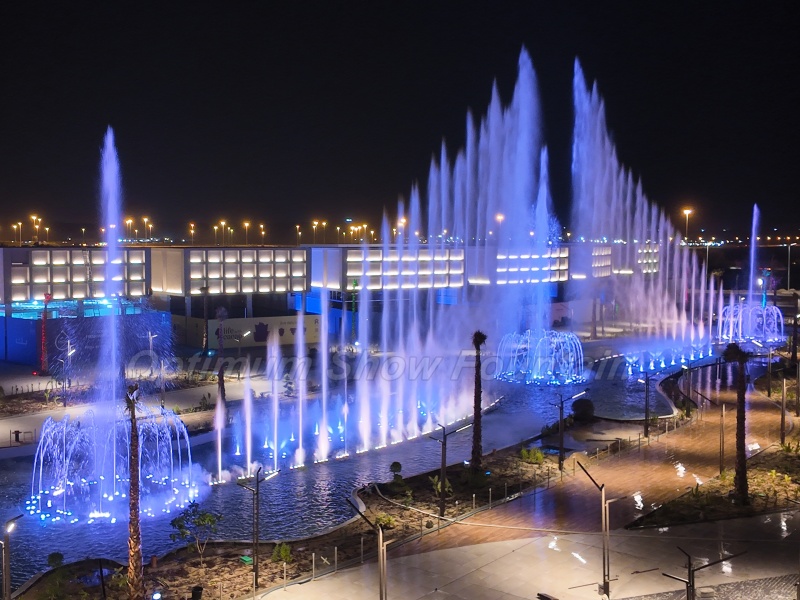
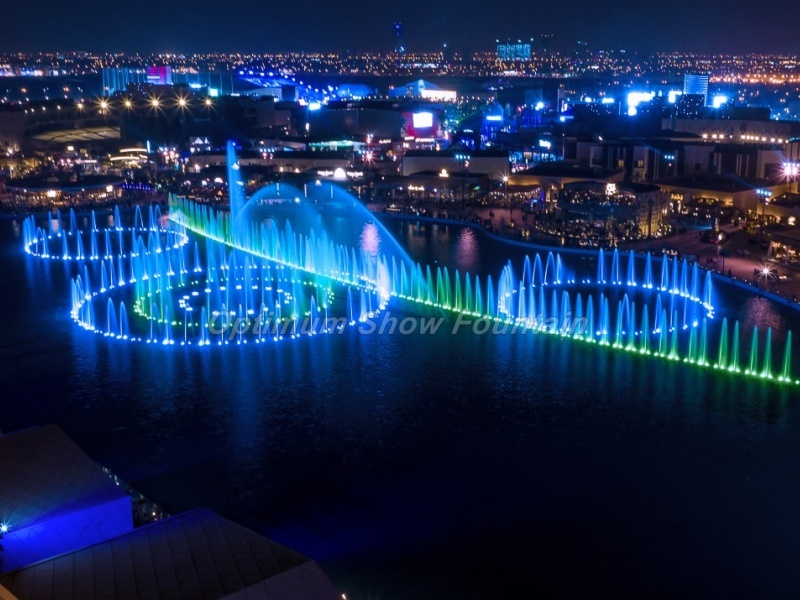
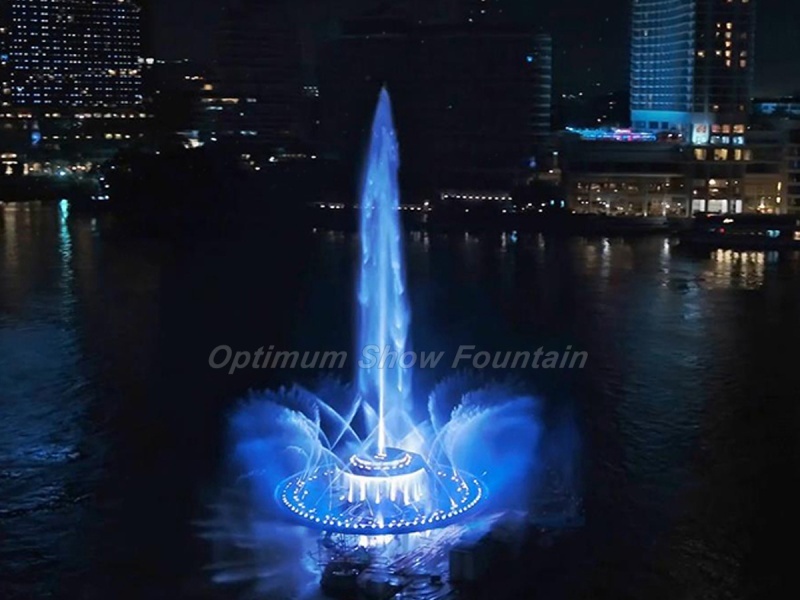
For open-air shopping centres and large commercial developments, floating fountains or entrance fountains create a strong landmark effect. Positioned at the main entrance, forecourt, or water body surrounding the mall, these systems are designed for long-distance visibility and large-scale visual impact.
High vertical jets, synchronized lighting, and large choreography sequences help establish the property as a destination before visitors even enter the building.
These fountains are ideal for:
| Fountain Type | Best Location | Indoor / Outdoor | Main Advantage |
| Dry Deck Fountain | Atriums, concourses, plazas | Both | Interactive and fully walkable |
| Indoor Musical Fountain | Central atrium | Indoor | Strong architectural centerpiece |
| Digital Water Curtain | Entrances, food courts | Both | Branding and multimedia display |
| Interactive Fountain | Kids zones, leisure spaces | Both | High visitor engagement |
| Floating Entrance Fountain | Forecourts, lakes, plazas | Outdoor | Landmark visibility and attraction |
Behind every successful shopping mall dancing fountain is a combination of control systems, hydraulic engineering, lighting technology, and water treatment equipment working together in real time. Mall operators do not need to understand every engineering detail, but understanding the core technologies helps evaluate whether a fountain system will perform reliably in a commercial environment.
The quality of these systems directly affects show performance, operational stability, maintenance requirements, and long-term running costs.
DMX is the communication system that synchronizes the fountain show. It sends precise timing signals to pumps, lights, and nozzles so every movement happens at exactly the right moment.
This is what allows:
A professional DMX control system also allows operators to update performances easily. Music tracks, seasonal shows, branded events, and holiday programming can all be changed through software without modifying the physical fountain hardware.
For shopping malls, this flexibility is extremely important because it allows the fountain to support year-round events and promotional campaigns.
Modern dancing fountains typically use VFD (Variable Frequency Drive) pumps instead of traditional fixed-speed pumps. Unlike standard pumps that only switch fully on or off, VFD systems can adjust pump speed continuously.
This allows:
The result is a fountain show that feels fluid and dynamic rather than mechanical.
VFD systems also improve energy efficiency because pumps only use the power required for each effect instead of operating at maximum output constantly. For commercial projects operating daily, this can significantly reduce long-term electricity consumption.
Lighting plays a major role in the visual impact of a shopping mall fountain, especially during evening operation. Modern RGB LED systems can produce millions of colour combinations and can be individually programmed through DMX control systems.
This enables:
Both underwater fixtures and above-water spotlights can be integrated into the same synchronized control system. Compared with older lighting technologies, LED systems consume less energy and require far less maintenance over time.
The variety of water effects in a dancing fountain comes from the nozzle system. Different nozzles create different visual behaviours, including:
Professional fountain choreography combines multiple nozzle types to create contrast, depth, and movement throughout the performance.
For commercial installations, nozzle material quality is also important. Stainless steel nozzles are commonly used because they provide strong corrosion resistance and long-term durability in continuous public operation.
A shopping mall fountain continuously recirculates water, so filtration and treatment systems are essential for maintaining water clarity and hygiene.
Professional systems typically include:
These systems help control bacteria, remove debris, and maintain stable water quality without excessive chemical usage.
Modern recirculating systems are also highly water-efficient because most water is reused continuously, with only small amounts lost through evaporation or splash. For malls focused on sustainability and operational efficiency, proper water management is a critical part of fountain design.
Cost is the first question every mall developer asks — and most fountain suppliers avoid answering directly. We prefer transparency. The honest answer is that pricing varies significantly depending on scale, technology, and complexity. Here’s how to think about your budget.

A compact musical fountain or decorative water feature for smaller malls, boutique shopping centres, or hotel retail spaces typically falls in this range.
What’s Included:
This setup is ideal for malls under 20,000 square metres that want a quality feature without taking up too much space. Design, manufacturing, and installation are included in a full turnkey project scope at this tier.
The most common tier for regional shopping malls delivers a feature-grade atrium fountain. These installations are designed to be visible from multiple floors and programmed for seasonal shows.
A fountain at this level often includes:
The fountain becomes a true architectural centerpiece visible from multiple retail zones and upper floors.
Projects such as the Kuwait Jahra Shopping Mall Fountain fall within this category.
Installation typically takes 8–16 weeks, from a site-ready stage to opening night.
Flagship malls, mixed-use destinations, or iconic retail landmarks fall into this category. Large-scale projects involve complex engineering, bespoke design, and multimedia integration.
What You Get:
Example Projects: Baghdad Island Music Fountain (Iraq) and Saudi Boulevard City.
These fountains become destination attractions in their own right. Planning and execution usually take 12–24 months, and the commercial returns are proportionally significant.
Every cost estimate we produce is shaped by five main factors:
Running costs for a commercial dancing fountain depend on size and show frequency. Typical expenses include:
Energy costs are significantly reduced by VFD pumps and LED lighting compared to older fountain technologies.
Many mall operators find that increased tenant sales revenue, event income, and advertising returns comfortably offset both capital and operating costs within 3–5 years. A dancing fountain is a long-term asset — ours are engineered and warranted for decades of continuous commercial operation.
One of the biggest concerns shopping mall developers have is not whether a fountain can look impressive — it is whether the project can be delivered smoothly, operate reliably, and perform as expected after opening. At Optimum Show, every project follows a structured process designed to reduce risk, improve coordination, and ensure the final show performs exactly as planned.

Every project begins with a detailed review of the site conditions and technical requirements. Our team evaluates:
This stage helps identify technical constraints early and ensures the fountain integrates properly with the mall environment before design work begins.
After analysing the site, our design team develops the fountain concept, including:
For larger projects, we create animated 3D visualisations so clients can preview the fountain show before production starts. This helps developers clearly understand the scale, atmosphere, and audience experience of the final installation.
Approved designs move into production at our ISO 9001-certified facility. Key components include:
The control system is pre-wired, pre-programmed, and bench-tested before shipping. Components arrive as integrated, tested sub-assemblies, which dramatically reduces installation risk and on-site time.
Our engineering team coordinates shipping and installation directly with the project site team. Installation typically includes:
Before opening, the entire fountain system undergoes full commissioning tests to verify synchronization, water performance, lighting accuracy, and operational stability.
After installation, the fountain show is programmed and calibrated. This stage includes:
Most projects include multiple show modes, such as daytime programmes, signature evening shows, festive themes, and event-specific performances.
At project handover, Optimum Show provides operational training for the client’s maintenance and facilities team. Training covers:
We also provide spare parts support and ongoing technical assistance to help ensure reliable long-term operation after the fountain opens to the public.
The best shopping malls do not treat a dancing fountain as a fixed attraction. They use it as a programmable marketing platform that changes throughout the year.
Because modern fountains operate through digital DMX control systems, the choreography, lighting colours, music, and visual effects can all be updated without changing the physical installation. This allows the fountain to support seasonal campaigns, cultural celebrations, and branded events while keeping the visitor experience fresh.
During Christmas, malls may use warm gold lighting, dramatic water effects, and festive music to create a destination atmosphere. For Eid, Lunar New Year, or summer campaigns, the entire visual identity of the fountain can shift through new colour palettes, soundtracks, and choreography.
This flexibility also creates commercial opportunities. Retail brands can sponsor custom fountain sequences during product launches, while digital water curtains can display branded content or promotional messaging between shows.
Instead of functioning as a passive decorative feature, the fountain becomes part of the mall’s long-term marketing strategy — helping drive foot traffic, social media engagement, and tenant activation throughout the year.
The Kuwait Jahra Shopping Mall project is one of Optimum Show’s most relevant examples for developers exploring a dancing fountain for shopping mall environments. The goal was to create a central attraction that would enhance the visitor experience, strengthen the mall’s identity, and encourage longer dwell times within the atrium space.
Optimum Show delivered a fully programmed indoor musical fountain featuring fan jets, crown patterns, and precision laminar effects, all synchronised through a DMX 512 control system with RGB LED lighting. The fountain operates on an automated daily schedule with multiple performances throughout trading hours, allowing the mall to maintain a dynamic atmosphere throughout the day.
To support long-term indoor operation, the system also includes integrated UV water treatment and mechanical filtration to maintain water clarity and reduce maintenance requirements.
Since opening, the fountain has become both a gathering point for visitors and a recurring feature in the mall’s promotional content — demonstrating how a well-designed commercial fountain can function as both an entertainment feature and a long-term branding asset.
View the full project details on our Projects page.
Alongside Kuwait Jahra, our portfolio includes the Baghdad Island Music Fountain in Iraq — a landmark water show for a major entertainment destination — and the Saudi Boulevard City Fountain, a large-scale outdoor feature in one of Saudi Arabia's most significant new urban developments. Each project was delivered end-to-end by Optimum Show, from initial design through to programming and handover.
For shopping malls, safety and long-term reliability are just as important as visual impact. A commercial dancing fountain must operate consistently in a busy public environment while remaining safe, clean, and easy to maintain.
Modern mall fountains are engineered specifically for high pedestrian traffic. Dry deck fountains use flush-mounted, non-slip grating so visitors can walk safely across the surface even when wet. Interactive areas typically use low-pressure jets suitable for both children and adults, while automatic shut-off systems stop operation immediately if faults or obstructions are detected.
Electrical systems are fully waterproofed and designed to meet the required IP protection standards for public wet environments.
Clean water is essential for any public fountain installation. Modern systems use UV sterilisation and mechanical filtration to control bacteria, algae, and airborne debris while reducing chemical usage. Water circulation and monitoring systems can also be automated, allowing facility teams to detect potential issues before they affect fountain performance or appearance.
For indoor shopping malls, fountain design must also minimise airborne mist and excess humidity around nearby retail spaces.
A professionally engineered dancing fountain is designed for predictable, manageable maintenance. Routine servicing typically includes:
Annual inspections help maintain long-term reliability and allow operators to update seasonal programming or show choreography when needed.
Modern fountain systems are also far more energy efficient than older installations. Recirculating water systems reduce waste, VFD-controlled pumps optimise power usage, and LED lighting significantly lowers long-term energy consumption while improving operational lifespan.

Related Article: How to Choose a Musical Fountain Manufacturer
Project timelines depend on fountain size, complexity, and site conditions. Most mid-size shopping mall fountains require around 12–20 weeks from concept design to final commissioning. Large multimedia fountains may take longer due to custom engineering, manufacturing, and installation requirements.
Yes. Indoor fountains are commonly installed in atriums, entrance halls, and retail plazas. Dry deck fountains usually require minimal structural modification, while basin fountains may need floor loading and drainage assessments. Early planning helps simplify installation and integration.
There is no fixed minimum size. Compact dry deck fountains can work effectively in smaller atriums, while larger outdoor plazas allow for more complex choreography and multimedia effects. The design should always match visitor flow, visibility, and the overall retail environment.
Yes. Modern DMX-controlled fountain systems are fully programmable. Music, lighting, choreography, and visual effects can all be updated for:
This flexibility helps malls keep the attraction fresh throughout the year.
Operating costs vary depending on fountain size, show frequency, lighting systems, and local energy prices. Electricity is usually the main ongoing expense, along with water treatment and routine maintenance. Well-designed systems are generally more energy-efficient and easier to maintain long term.
A dancing fountain can do far more than decorate a shopping mall — it can become a landmark attraction that increases foot traffic, strengthens branding, and enhances the visitor experience.
Optimum Show provides custom-designed musical fountain solutions for shopping malls, commercial plazas, and mixed-use developments worldwide. From concept design and engineering to installation and show programming, our team supports every stage of the project with practical experience and long-term technical support.
Whether you are planning a new retail destination or upgrading an existing property, we can help you develop a fountain system tailored to your space, audience, and commercial goals.
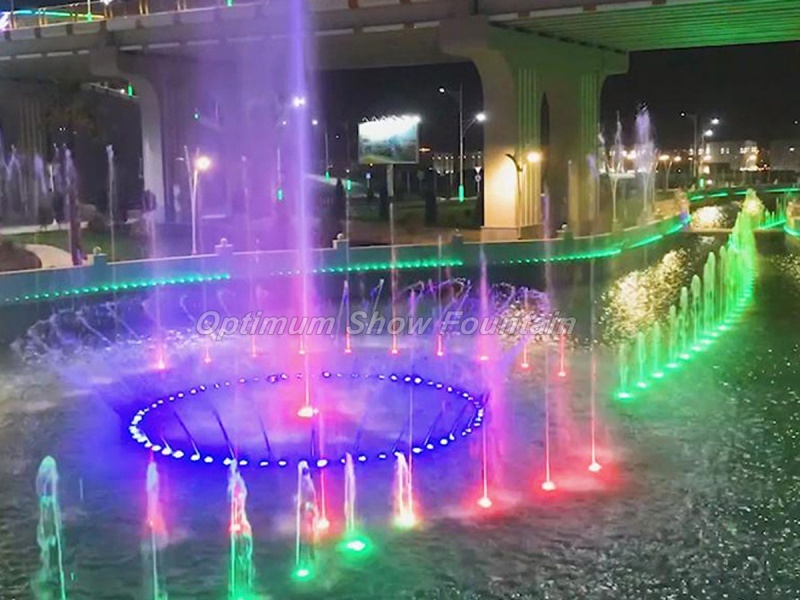
Share your site size, water depth, location or CAD drawing with our engineering team. We can evaluate the project requirements and recommend a suitable fountain system.