Selecting the right fountain control system requires understanding your project's purpose, your operators' capabilities, and what the system will need to do five or ten years from now. The control mode, hardware components, safety features, and supplier support structure all affect how well the fountain performs and how much it costs to run over time.
This guide covers the main control types, key system components, how musical fountain synchronisation works, and what to evaluate before choosing a supplier.
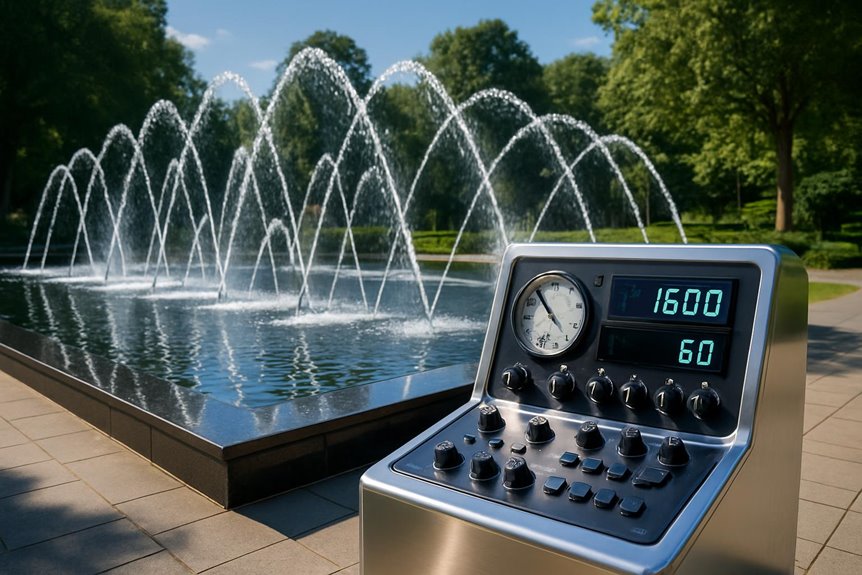
A fountain control system receives input signals — scheduled timers, music feeds, sensor data, and manual commands — and translates them into precise output actions. It manages pumps, solenoid valves, variable frequency drives (VFDs), LED fixtures, and special effects equipment, ensuring every component operates on a coordinated timeline.
In large musical water features, multi-zone control coordinates separate fountain areas so water movement, lighting, and audio stay precisely timed across the entire installation. Modern systems typically combine DMX lighting control with PLC-based pump and safety logic — understanding how musical fountains work at the hydraulic and nozzle level helps clarify what the control system is actually being asked to coordinate.
A properly specified control system also handles wind compensation, adjusting jet heights automatically when environmental conditions change, and can integrate water treatment monitoring to protect equipment and maintain water clarity over time.
Modern fountain control systems can operate in different ways depending on the project size, design purpose, and level of performance required. A small decorative fountain may only need simple scheduled control, while a large musical fountain requires precise coordination between pumps, valves, lights, music, and show software. Understanding the main control modes helps project owners choose a system that matches both the visual effect and long-term operation needs.
Manual control is the simplest fountain control mode. Operators start, stop, or adjust the fountain directly through switches, buttons, or a basic control panel.
This mode is usually suitable for small decorative fountains, garden fountains, or simple commercial water features where advanced programming is not required. It gives operators direct control, but it depends heavily on manual operation and does not provide automatic show scheduling or complex water effects.
For larger public or commercial fountains, manual control is usually used only as a backup mode. It allows maintenance staff to test pumps, lights, nozzles, and valves during inspection or troubleshooting.
Timer control allows the fountain to operate automatically according to a fixed schedule. The system can be programmed to turn on and off at specific times during the day.
This is commonly used in hotels, parks, shopping malls, public plazas, and commercial buildings where fountains need to run during opening hours or peak visitor periods. For example, a fountain may run from morning to evening, pause during maintenance hours, and restart automatically the next day.
Timer control improves convenience and reduces the need for daily manual operation. It is especially useful for fountains that do not need music synchronization but still require reliable daily operation.
Program control allows the fountain to run pre-set water patterns or sequences. Instead of simply turning on and off, the system can control different pumps, valves, nozzles, and lights according to a programmed routine.
This mode is suitable for programmable fountains, dry deck fountains, commercial entrance fountains, and small dancing fountains. It can create changing water heights, alternating nozzle groups, lighting sequences, and basic visual effects without full music synchronization.
Program control is often managed through a PLC or dedicated fountain controller. It provides more visual variety than timer control and is a good option for projects that need dynamic movement but not a complete musical water show.
Music control is used for musical fountains and dancing fountain shows. In this mode, water jets, lighting, pumps, valves, and sometimes lasers or projections are synchronized with music.
The show is usually created through fountain show programming software. Designers map water movements, lighting changes, and special effects to the rhythm, tempo, and emotional structure of each music track. This allows the fountain to “dance” with the music and create a complete audiovisual experience.
Music control is ideal for shopping malls, resorts, theme parks, city plazas, tourism landmarks, and large commercial developments. Compared with basic program control, it requires more advanced system design, stronger control accuracy, and professional show choreography.
Interactive control allows visitors or environmental inputs to influence the fountain in real time. The system may use motion sensors, pressure sensors, buttons, touchscreens, mobile controls, or other smart devices to trigger water effects.
This mode is especially popular for dry deck fountains, children’s play fountains, public plazas, shopping malls, and entertainment spaces. For example, water jets may respond when people walk across a plaza, or visitors may press buttons to activate different effects.
Interactive control can improve visitor engagement and make the fountain feel more playful and memorable. However, it also requires careful safety planning, durable sensors, stable control logic, and reliable maintenance because the system operates directly around the public.
In the domain of fountain control systems, the synergy of artistic vision and technical precision is achieved through key components such as the operator interface, PLC, DMX controller, VFD, and sensors.
Each element contributes to a harmonious integration, enabling fluid choreography and responsive safety measures.
These components collectively guarantee that the client's creative aspirations are realized with seamless synchronization and reliability.
The operator interface allows staff to manage and monitor the fountain system. Depending on the project size, this may include a touchscreen panel, computer software, remote control system, or mobile access.
Through the operator interface, users can:
For hotels, resorts, shopping malls, and public plazas, a user-friendly interface is important because the fountain may be operated by facility staff rather than fountain engineers. Clear controls make daily operation easier and reduce the risk of incorrect use.
The PLC, or programmable logic controller, is one of the most important parts of a fountain control system. It manages automation logic and controls how different fountain equipment operates.
A PLC can control:
For large fountains, the PLC helps ensure that the system runs safely and consistently. It is especially important for public fountains, dry deck fountains, floating fountains, and outdoor musical fountains where safety and reliability are critical.
DMX control is commonly used in musical fountains and synchronized water shows. It is mainly responsible for controlling lighting, colour changes, and fast show effects.
In a musical fountain, DMX can control:
DMX is popular because it allows precise timing and smooth synchronization between lights, water, and music. In many modern fountain projects, DMX works together with PLC control: the PLC manages safety and automation, while DMX handles creative show performance.
Although often overlooked, Variable Frequency Drives (VFDs) are essential in the nuanced orchestration of musical fountains, allowing for seamless control over pump speeds and the dynamic height of water jets. They transform static water displays into vibrant, fluid expressions that dance to musical rhythms.
By regulating pump speed, VFDs enable nuanced shifts and precise timing, essential for aligning visual splendor with auditory brilliance. Without VFDs, the artistry of changing water heights would be lost, confined to fixed, uninspired levels.
For clients seeking innovation, VFDs offer a gateway to creativity, allowing for bespoke water choreography that responds dynamically to music. This technological prowess guarantees that each performance is a unique blend of art and engineering, engaging audiences with its fluid grace.
Harnessing the power of sensors and safety devices, fountain control systems achieve a delicate balance between artistry and reliability. These components guarantee that creativity flows without compromising safety, offering real-time insights into environmental and operational conditions.
Key elements include:
This fusion of innovation and safety underpins successful fountain installations, aligning technical precision with creative expression.
The control cabinet is the central electrical enclosure that houses the main control and power components. It protects the PLC, circuit breakers, relays, contactors, VFDs, communication modules, and wiring from dust, moisture, heat, and outdoor conditions.
For outdoor fountains, the control cabinet must be designed with proper waterproofing, ventilation, cable management, and electrical protection. A poorly designed cabinet can lead to control failures, short circuits, overheating, or difficult maintenance.
In commercial fountain projects, the control cabinet should also allow easy access for inspection, troubleshooting, and future upgrades.
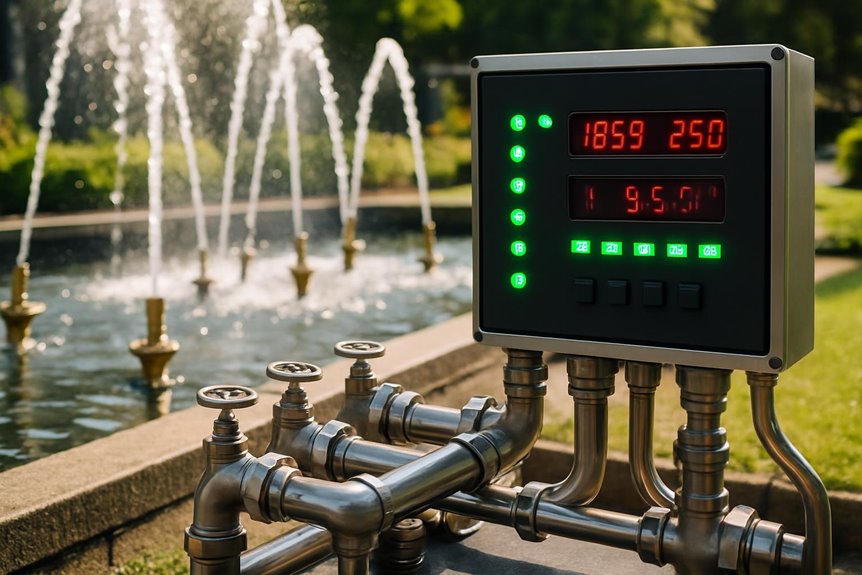
In the intricate dance of fountain control, the performance layer, infrastructure layer, and operator layer harmonize to create a seamless experience. Each layer serves a distinct purpose: the performance layer orchestrates water, light, and sound; the infrastructure layer guarantees robust connectivity and power management; and the operator layer offers intuitive interfaces for real-time adjustments.
This synergy, underpinned by advanced technology, fulfills the artistic and technical aspirations of clients seeking enchanting aquatic displays.
Although often unseen, the performance layer is the heart of a musical fountain's artistry, seamlessly merging sound, water, and light into a cohesive spectacle. This layer orchestrates the symphony of elements, relying on precise technology and creative vision to captivate audiences.
DMX controllers meticulously manage lighting colors and dynamic nozzle effects, translating sound waves into visual poetry.
This integration achieves a balance of technical precision and artistic expression, essential for dazzling displays.
A musical fountain's infrastructure layer serves as the backbone, where technology and artistry converge to bring performances to life. Programmable Logic Controllers (PLCs) orchestrate essential operations, managing pump protection and Variable Frequency Drive (VFD) control to guarantee flawless execution.
They integrate water treatment automation and emergency shutdown logic, prioritizing safety when sensors detect anomalies such as excessive wind or electrical faults. This sophisticated framework allows seamless collaboration between components, crafting an immersive water symphony.
| Component | Function | Priority Action |
| PLCs | Manage operations | Execute protective actions |
| VFDs | Control pump speeds | Regulate flow |
| Sensors | Detect anomalies | Trigger safety protocols |
| Water Treatment | Guarantee quality | Automate purification |
| Emergency Shutdown | Provide safety | Override show commands |
This integration forms a cohesive, reliable experience for audiences seeking innovation.
The Operator Layer serves as the command center, where artistic vision meets technical expertise to deliver breathtaking performances. This layer is essential for integrating and harmonizing the diverse components of a fountain control system, guaranteeing seamless operation and enchanting displays.
Operators use touchscreen panels or supervisory software to manage the entire system, enabling innovation and precision.
Industry best practices recommend specifying this layered architecture during the planning stage, enhancing both functionality and creative expression for large fountain projects.
Through this, operators empower the seamless fusion of technology and artistry.
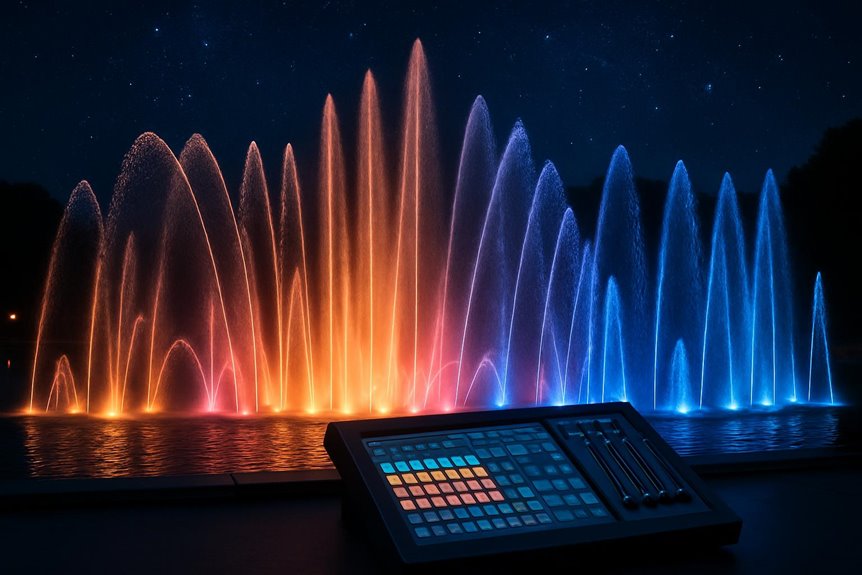
In the harmonious domain of musical fountains, music acts as the guiding timeline, orchestrating the symphony of water, light, and sound into an enchanting performance.
This synchronization relies on sophisticated control systems, seamlessly balancing preprogrammed precision with the dynamic adaptability of audio-reactive technology.
Such expertise guarantees each fountain show not only mesmerizes the audience but also meets the unique vision and requirements of the client.
Harmony is the backbone of musical fountain synchronization, where artistic vision meets technical precision. Music serves as the timeline, orchestrating the dance of water and light.
Show programmers import tracks into control software, assigning cues to water and lighting effects with millisecond accuracy. This meticulous planning guarantees that each musical element is mirrored in the fountain's performance, creating an immersive experience.
This synergy between music and technology elevates fountains to a new domain of creativity and innovation.
Building upon the intricate relationship between music and technology, synchronizing water, light, and sound transforms musical fountains into enchanting spectacles. By responding to programmed cues, jets, valves, lights, and pumps create a harmonious blend of motion and illumination. Millisecond-level timing is essential, allowing control systems to translate musical compositions into dynamic visual narratives.
This precision guarantees that powerful water jets and vibrant lighting are perfectly aligned with musical beats, delivering a cohesive and immersive experience.
Technical expertise orchestrates each element, where low frequencies drive commanding water displays while high frequencies inspire swift movements. Programmable LED fixtures enhance the emotional impact, offering rapid color shifts and intensity changes.
This seamless integration delivers gripping performances, achieving an innovative fusion of artistic vision and technological mastery.
Preprogrammed shows script every water effect, lighting change, and jet movement in advance. Playback is identical on every run. This is the standard approach for permanent commercial installations — consistent, reliable, and fully verified before the fountain opens to the public.
Audio-reactive systems analyse incoming audio in real time and generate control outputs dynamically, without a fixed script. The system responds to whatever is playing. This allows spontaneous or varied performances, but the output is less consistent and harder to quality-control than preprogrammed content.
Most large commercial musical fountains use preprogrammed content as their primary show material, with audio-reactive capability available for specific events or informal performances.
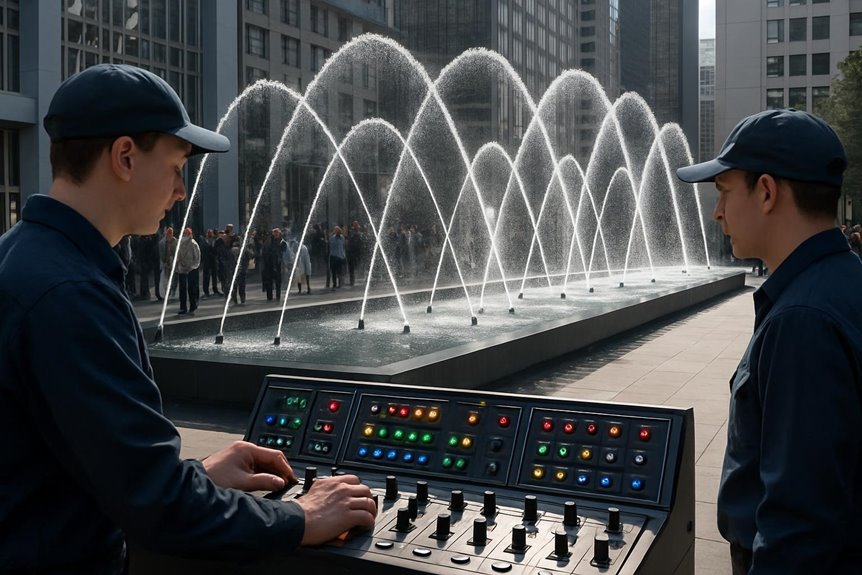
Different fountain types require different levels of control. A simple decorative fountain may only need scheduled operation, while a large musical or multimedia fountain needs advanced synchronization between water, lighting, music, and safety systems.
Decorative landscape fountains usually use timer control or simple PLC automation. A timer can start and stop the fountain based on daily operating hours, while a basic PLC can manage pumps, lights, and simple water patterns.
Dry deck fountains need PLC control because people can walk directly through the fountain area. Motion sensors can create interactive water effects, while safety interlocks help manage emergency stops, water levels, pump protection, and public safety.
Musical fountains usually combine PLC control, DMX control, and show programming software. The PLC manages pumps and safety logic, DMX controls lighting and fast effects, and the software synchronizes water, lights, and music into a complete performance.
Floating lake fountains often require remote monitoring, wind control, and strong power and cable protection. Wind sensors can reduce jet height or stop the fountain in strong wind, while waterproof cables and electrical protection help ensure safe long-term operation.
Multimedia water shows need centralized show control to coordinate water, projection, lasers, fire, lighting, and audio. This allows all effects to follow one performance timeline and creates a more immersive entertainment experience.
Environmental and safety control features are paramount in fountain design, ensuring seamless operation and client satisfaction.
Advanced systems integrate wind control to prevent water spray drift, while monitoring water levels and pump conditions to safeguard equipment.
Fault detection, alarm systems, and remote monitoring enhance reliability, providing peace of mind and maintaining the artistic integrity of the performance.
Why is wind control so vital in musical fountain design? It guarantees safety and performance integrity, particularly in outdoor settings. Wind sensors continuously gauge environmental conditions, automatically adjusting the fountain’s operation. This feature protects both the audience and the artistic vision, maintaining a seamless display even amidst nature’s unpredictability.
For clients seeking cutting-edge solutions, wind control exemplifies the blend of environmental sensitivity and technical prowess, guaranteeing that each performance is both enchanting and secure.
As musical fountains embrace the artistry of wind control, safeguarding the integrity of the performance extends beneath the surface.
Water level and pump protection systems are essential for maintaining operational harmony. Innovatively designed sensors monitor water levels, preventing pumps from functioning under low-water conditions, which is a primary cause of equipment failure.
When levels drop below safe thresholds, the control system instinctively deactivates vulnerable components, ensuring longevity and consistent performance. This automatic shutdown not only preserves mechanical health but also aligns with client-focused priorities of reliability and safety.
A symphony of vigilance underscores the performance of modern fountain control systems, where fault detection and alarm systems play a crucial role.
These systems guarantee the seamless operation of fountains by continuously monitoring critical components. Their artistic vision merges with technical expertise, providing an innovative approach to safety and reliability.
This integration of technology elevates the fountain experience, keeping creativity and safety in harmony.
Remote monitoring represents a critical advancement in the management of grand public fountains, offering a seamless blend of artistic vision and technical precision. This innovation allows operators to oversee fountain operations from afar, guaranteeing flawless execution and safety.
By accessing equipment status remotely, operators can swiftly address issues, reducing downtime and enhancing performance quality. Fault notifications provide timely alerts, enabling quick interventions to maintain the integrity of complex shows.
Additionally, the capability to update show programs without site visits assures flexibility and responsiveness to client needs. This integration fosters a harmonious balance between creativity and reliability, reinforcing a commitment to cutting-edge solutions tailored for ambitious projects, such as large public fountains, resorts, and international installations.
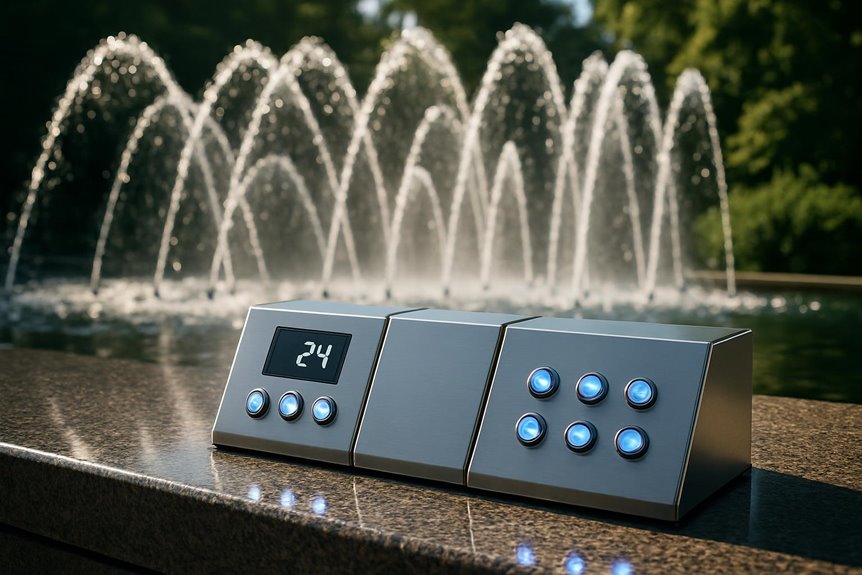
Selecting the ideal fountain control system begins with defining the fountain's purpose, guaranteeing a seamless match with the project's scale and complexity.
Understanding who will operate the system is vital, as it influences the ease of use and training requirements.
Additionally, planning for future expansion and asking key questions before choosing a supplier guarantees the system remains adaptable and aligned with long-term goals.
Understanding the purpose of a fountain is essential in selecting the ideal control system, as each function demands unique technical considerations. A fountain's role may range from simple decoration to complex multimedia shows, each requiring distinct control strategies.
By defining the fountain’s purpose, designers can align artistic vision with technical expertise, ensuring a client-focused approach that meets specific project needs.
This clarity in purpose guides innovative solutions, enhancing both functionality and spectacle.
How does one determine the ideal fountain control system for various project scales? The choice hinges on understanding the unique demands of each setting.
A small fountain in a hotel or mall requires a minimalist system, prioritizing elegance and efficiency. In contrast, a public plaza fountain demands robust controls to accommodate diverse environmental interactions.
For large landmark water shows, the complexity rises; here, an advanced, integrative system is essential to synchronize sound, light, and motion on a grand scale.
Each project scale invites a tailored solution, marrying artistic vision with technical precision. By aligning the system's capabilities with the project's scale, one guarantees a harmonious blend of creativity and technology, delivering an unforgettable experience to audiences seeking innovation.
Who will operate the fountain control system? This pivotal question shapes the choice between simplicity and complexity in design. For projects demanding artistic vision and technical expertise, matching the system to the operator’s skill level guarantees seamless execution.
Ultimately, understanding the operator’s role is essential for a harmonious blend of innovation and functionality.
When selecting a fountain control system, envisioning future expansion is essential for ensuring long-term adaptability and success. Artistic vision and technical expertise merge to create systems that cater to evolving client needs. A system should allow simple scheduling for non-technical staff while offering advanced show programming for trained operators. This dual capability supports growth and innovation without compromising functionality.
| Feature | Benefit |
| Simple Scheduling | Enables non-technical use |
| Advanced Programming | Empowers creative complexity |
| Scalability | Supports new elements easily |
Envisioning future expansion is an essential aspect of choosing a fountain control system. To guarantee a harmonious blend of innovation and functionality, potential suppliers must be assessed meticulously.
Key inquiries illuminate the path to a seamless integration of technology and artistry.
These questions guide the selection process, guaranteeing a supplier can deliver both cutting-edge technology and an exquisite, adaptable performance.
If you are planning a fountain project and want to discuss control system requirements, contact Optimum Show for a technical consultation.
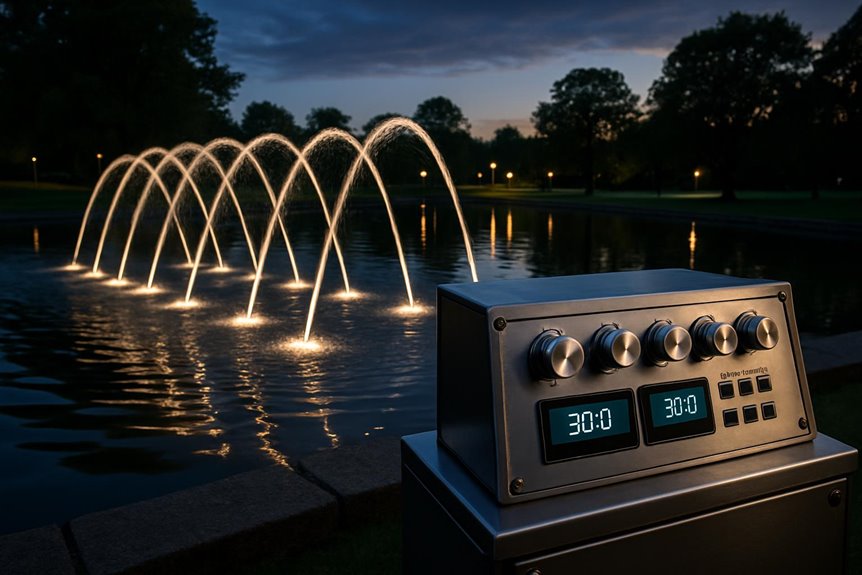
A robust control system is the keystone to ensuring that a fountain's artistic vision and technical execution remain steadfast over time.
Quality control systems, though a minor initial investment, greatly influence long-term reliability and costs. Inferior components can falter in harsh climates, leading to frequent replacements, unscheduled downtime, and unforeseen expenses. Such vulnerabilities, especially in high-temperature regions like the Middle East, can escalate costs far beyond initial savings.
Furthermore, systems reliant on external engineers for updates and troubleshooting inflate operational expenses. Conversely, well-designed systems empower owners to manage programming independently, yielding considerable lifetime savings.
Consequently, selecting a high-quality control system is not merely an expenditure but an enduring investment in innovation and efficiency.
Sound quality profoundly influences fountain performance by ensuring precise synchronization of water, light, and music. High fidelity audio enhances emotional impact and visual fluidity, enabling enchanting, innovative experiences that align with the artistic vision and technical precision desired.
Mastering fountain control systems requires a dance of technical finesse and artistic intuition. Operators need training in software integration, real-time synchronization, and creative lighting design, ensuring each performance unfolds like a symphony of water, light, and sound.
Yes, control systems can be upgraded, integrating cutting-edge technology seamlessly. With artistic vision and technical expertise, they evolve to meet client demands, enhancing innovation and ensuring immersive, mesmerizing performances that align with contemporary multimedia advancements.
Weather challenges synchronization by introducing unpredictability. Wind alters water trajectories, while temperature affects system efficiency. Yet, innovative control systems adapt, ensuring harmony between nature’s whims and artistic vision. Technical expertise transforms these variables into a client-focused spectacle.
The lifespan of typical fountain components varies, ranging from 5 to 20 years, depending on material quality and maintenance. Precision-engineered systems guarantee longevity, while innovative designs and regular care extend the artistic and technical brilliance for clients.
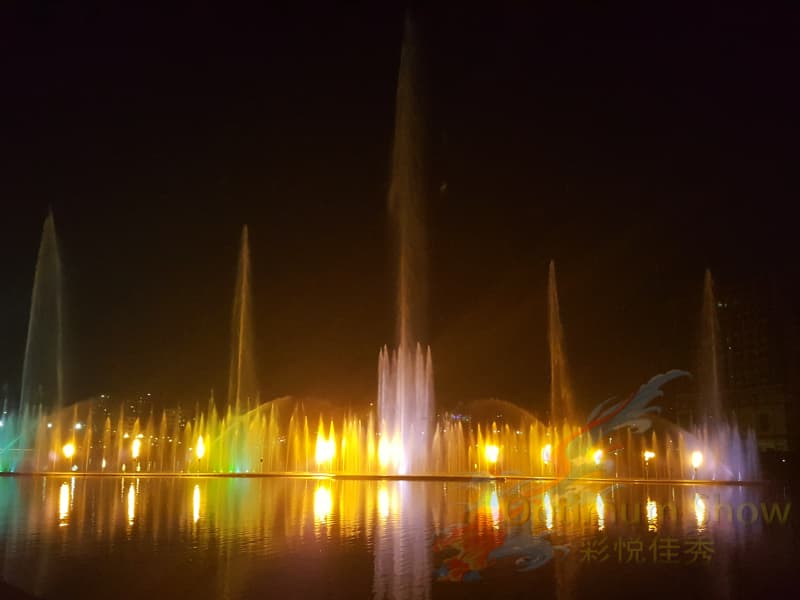
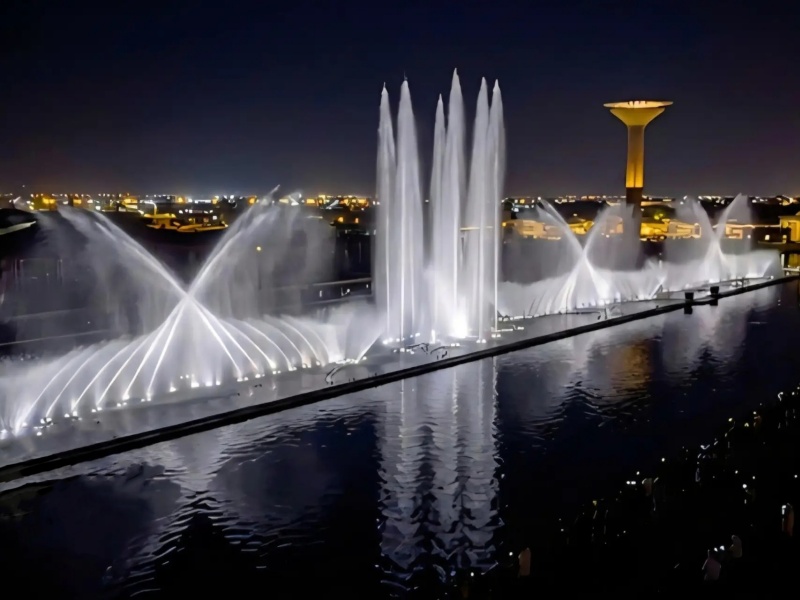
Share your site size, water depth, location or CAD drawing with our engineering team. We can evaluate the project requirements and recommend a suitable fountain system.